FREE Delivery when you spend over £40
 Sign up to our newsletter for exclusive discounts & offers
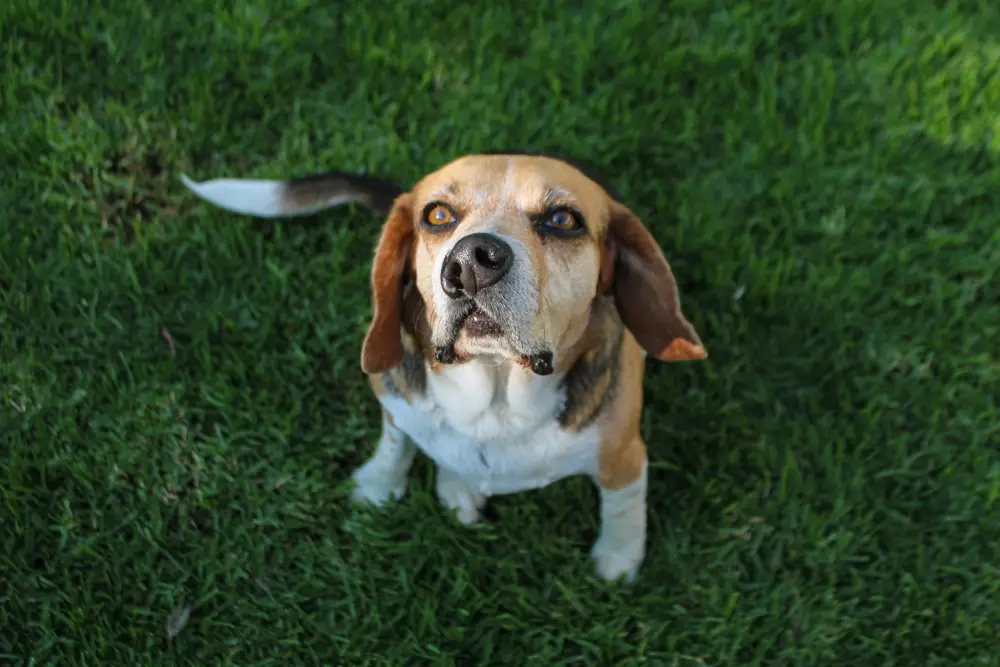
Does your dog ever stop mid-walk to chow down on a clump of grass? Well, you might be wondering, why is my dog eating grass? Most of the time, grass-eating is completely normal and nothing to worry about. But sometimes, it can be a sign that something isn’t quite right with your dog.
From texture and taste to boredom and attention seeking, there are various explanations as to why dogs like to eat grass. It’s certainly not the easiest thing for our canine companions to eat, but they still do it anyway (much to our amusement).
It’s one of those classic “what on earth are you doing?” dog behaviours that leaves owners scratching their heads. Are they hungry? Bored? Unwell? Or just a bit weird?! Let’s walk through 7 common reasons dogs eat grass, how to tell what might be going on with your pup, and when it’s time to call the vet.
Is it Normal for Dogs to Eat Grass?
In many cases, yes, grass-eating is totally normal dog behaviour. Lots of otherwise healthy pooches occasionally nibble on grass and carry on with their day as if nothing happened.
You’re most likely to notice it:
- At the park, especially around fresh, green patches of grass.
- In the garden, usually in the same favourite spots.
- When your dog seems calm and sniffy, not stressed or unsettled.
It can be alarming to see your dog munching on grass, but for a lot of dogs, grass is just another interesting texture, smell, and taste in a world they love to explore with their mouths.
Younger dogs and puppies are naturally curious, so they can be more prone to eating grass than older dogs.
That said, there are times when it can point to an underlying issue, especially if your dog suddenly becomes obsessed with grass, eats it frantically, or feels unwell afterwards. We’ll get to those red flags shortly, but here are some of the most common reasons your dog is eating grass.
1. They Just Like the Taste or Texture
Sometimes the simplest answer is the right one – your dog might just enjoy the experience of eating grass.
For many dogs, fresh grass smells strong and “green,” which can be appealing. The texture gives them something different to chew, and it’s readily available if you have a garden at home.
It’s a bit like us absent-mindedly snacking on biscuits just because the packet is open. Your dog might not be on a mission to fix anything. They might just find grass interesting, satisfying, or a bit refreshing.
What it looks like:
- Calm, casual nibbling.
- They eat a few blades, then move on.
- No vomiting or tummy troubles afterwards.
If your dog is otherwise healthy, happy, and eating normally, grazing on grass occasionally probably isn’t anything to worry about.
2. Boredom, Habit or Attention-Seeking
Dogs are clever. They quickly learn which behaviours get a reaction. So if your dog has noticed that eating grass makes you rush over, saying, “Hey, what are you doing?”, they might repeat it to get more attention.
Grass eating can also become a habit on walks when there’s not much else to do, a sign of boredom in the garden, or a way to self-soothe when they’re feeling restless.
What it looks like:
- Your dog nibbles grass, glances at you, and carries on when you react
- It happens at predictable times, such as when they haven’t exercised much.
- They perk up when you offer a toy or start playing a game.
If you think your dog might be eating grass because they are bored, it’s time to switch up your routine by adding in more interesting walks, offering puzzle feeders or lick mats at home, and rotating their toys to keep things interesting.
3. They Have an Upset Tummy
One of the most common theories is that dogs eat grass to help settle an upset stomach (or make themselves sick if they’re feeling unwell).
If your dog is feeling a bit poorly, they might suddenly want to eat grass more urgently or frantically, gulp large amounts rather than nibble the grass slowly, and vomit shortly afterwards, often bringing up foam, bile, or grass.
Some dogs really do seem to use grass as their own (slightly dramatic) reset button. They feel queasy, eat grass, vomit, and then carry on as though nothing happened.
This might happen after:
- They eat something rich or fatty.
- Hoovering up street scraps or leftovers on walks.
- A minor tummy upset that needs to work its way through their system.
When it’s probably OK:
- Your dog vomits once or twice, then goes back to their usual self.
- They’re drinking, happy, and still interested in food.
When it’s not:
We’ll cover the bigger warning signs later, but in short, repeated vomiting, lethargy, or refusal to eat after grass-eating is not normal and needs a vet check.
4. Dietary Gaps or Fibre Cravings
Dogs are omnivores, which means they naturally eat a mix of meat and plant material. Some behaviourists and vets think that grass-eating might be your dog’s way of seeking a bit more roughage (fibre) in their diet.
Fibre helps to:
- Keep digestion moving smoothly.
- Firm up loose stools (or soften very hard ones).
- Support overall gut health.
If your dog is frequently drawn to grass and also has:
- Very soft or very hard stools.
- Irregular bowel movements.
- A tendency to strain or be uncomfortable when going to the toilet.
It’s worth asking your vet about their diet. They might suggest a food with a different fibre level, a gradual change to a different brand or protein source, or vet-approved fibre toppers.
Don’t try to fix dietary issues using grass alone. It’s better to solve the underlying cause than rely on your dog’s grass-eating habit as a clue.
5. Anxiety or Stress
Some dogs eat more grass when they’re anxious, stressed, or overwhelmed. It’s a bit like nail-biting in humans – a repetitive, soothing behaviour that helps them cope.
You might notice a pattern, such as your dog eating grass:
- At the beginning of a walk, if they’re nervous about a certain route.
- In busy parks full of strange dogs, bikes, or young children.
- Before or after a stressful event, like fireworks or a trip to the vet.
If your dog’s grass-eating seems linked to their emotional state, look for other signs of anxiety, such as:
- Lip-licking, yawning, or pacing.
- Tail tucked or ears pinned back.
- Clinginess or reluctance to move on.
Helping your dog feel safer through training, calm routines, and possibly behavioural support can naturally reduce anxious nibbling.
6. Instinct
If you could talk to your dog and ask them why they eat grass, they might just say, “Because I’m a dog.”
In the wild, wolves and foxes don’t just eat meat. They also consume the stomach contents of herbivores, which include plant matter. So dogs may have inherited some of that instinct to seek out greenery from time to time.
Some researchers suggest that grass-eating can:
- Help move parasites or indigestible material through the gut.
- Be a leftover instinct from scavenger ancestors.
- Just be one of those behaviours that’s persisted through evolution.
So grass-eating might be “programmed in,” rather than linked to a specific modern need or problem.
7. Something More Serious
We’ve spent a lot of time reassuring you that grass-eating often isn’t a big deal. But it’s equally important to recognise when it might signal something more serious.
Contact your vet straightaway if:
- Your dog is suddenly obsessed with grass. That means they’re desperate to eat it at every opportunity, more than usual.
- They vomit repeatedly after eating grass. A one-off bout of vomiting can be normal; repeated vomiting is definitely not.
- They seem unwell before or after eating grass. Watch out for lethargy, shaking, drooling, tummy pain, or a refusal to move.
- They stop eating or drinking. If they’re turning their nose up at food or water, get advice quickly.
- You suspect they’ve eaten something toxic. This could be grass treated with pesticides, fertilisers, weedkillers, or contaminated with other substances.
- There’s blood in their vomit or poo. This is always an emergency sign and needs immediate veterinary care.
Trust your instincts. If their behaviour feels unusual or you’re getting that nagging worry in your gut, a quick call to the vet is better than sitting at home wondering if something is wrong.
Is Grass Safe For Dogs?
One important factor is often overlooked: the grass itself.
Grass in your own garden is more predictable, but even then, think about:
- Chemicals: Have you used weedkillers, fertilisers, slug pellets or lawn treatments recently? These can be harmful if eaten.
- Other animals: If cats, wildlife or other dogs regularly visit, there may be faeces, urine, or parasites lurking in the grass.
Public parks and grass verges can contain:
- Pesticide or herbicide residues.
- Litter and food scraps.
- Faeces from other dogs (including parasite eggs).
You can’t control every blade of grass your dog encounters, but you can:
- Avoid areas you know are regularly sprayed.
- Steer clear of spots that obviously double as dog toilets.
- Distract your dog away from dubious patches of grass.
If you have a garden and your dog loves to graze, keeping your lawn chemical-free is one of the best ways to make it safer for your dog.
How to Manage Grass-Eating
You don’t have to stop your dog from eating grass completely, especially if they’re doing it calmly, occasionally, and without any side effects. But there are ways to keep grass-eating safe:
- Observe:
- When they eat grass, is it at the start, middle, or end of walks?
- How do they look before and after? Content, restless, unwell?
- Is it a quick nibble or a frantic gorge?
These clues will help you figure out whether it’s boredom, a one-off tummy issue, anxiety, or a quirky habit.
- Use Distraction:
- Call them away from the grass and reward them with a treat or toy.
- Keep walks more engaging with sniff games, training, or more varied routes.
- Use a “leave it” cue if they’re very focused on a certain grassy patch.
You don’t want to punish them, just to interrupt any obsessive snacking and help them focus on something else.
- Support Their Tummy and Diet
- Talk to your vet about their current food.
- Keep a note of their stools, behaviour, and any vomiting.
- Avoid sudden diet changes or lots of rich table scraps.
A well-balanced diet and a healthy gut often reduce your dog’s desire to munch on grass.
- Reduce Stress
- Stick to predictable routines for feeding and walks.
- Use positive reinforcement training to boost their confidence.
- Give them a safe space at home, especially during noisy events like fireworks.
If your dog’s anxiety seems more than you can manage alone, a qualified behaviourist can be an excellent ally.
When to Call the Vet
Call your vet immediately if your dog:
- Is suddenly eating way more grass than usual.
- Vomits repeatedly or brings up blood.
- Seems dull, wobbly, or unusually quiet.
- Has diarrhoea that doesn’t improve within 24 hours.
- Stops eating, drinking, or both.
- Has eaten grass that may have been treated with chemicals.
If something feels seriously wrong, don’t be tempted to wait to see if they sleep it off. You know your dog best, and vets would always rather see a dog early than too late.
FAQs
Some healthy dogs do nibble grass most days. As long as it’s calm, occasional, and not followed by illness, it can be normal. If the habit suddenly ramps up or your dog starts really gorging on grass, speak to your vet.
Your dog might be feeling sick and using grass to trigger vomiting or ease a funny tummy. A single episode followed by a quick recovery can happen from time to time. However, repeated vomiting or ongoing tummy problems need a vet check.
The grass itself isn’t usually the problem; it’s what might be on it. Chemicals, parasites, or sharp foreign objects can all pose risks. Very long grass can also sometimes cause irritation if swallowed in big strands.
Not necessarily. Many dogs on complete, balanced diets still enjoy eating grass now and then. But if your dog is constantly grazing and also has digestive issues or poor coat condition, a vet-led diet review is a good idea.
You don’t always have to, especially if it’s occasional and harmless. But it’s sensible to discourage it in areas that might be treated with chemicals or heavily soiled, and to interrupt any frantic or obsessive grazing.
Final Thoughts
Watching your dog munch on grass can be confusing, especially when you’re doing your best to feed them a good diet and keep them healthy.
But for many dogs, the odd grassy snack is just one of those wonderfully odd dog behaviours that come with the territory of loving them.
Most of the time, it’s harmless. Your job as a dog parent is to keep an eye on how they’re eating grass, notice any changes, and step in when something doesn’t feel right.
If you ever feel unsure, your vet is there to help and check for anything more serious.


Related Articles
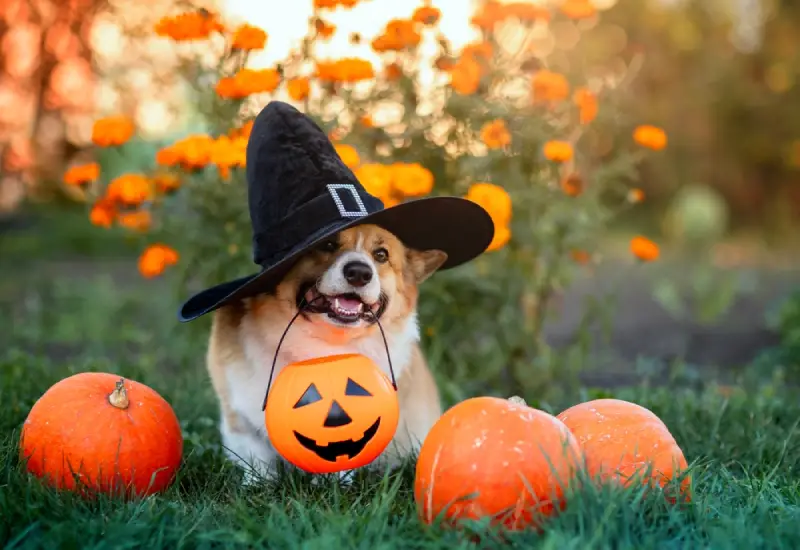
Best Pet Halloween Costume Ideas 2026 & Safety Tips for Dogs
Halloween is right around the corner and there’s nothing we love more than having our pets join us in the spooky season! We’re here with all the inspiration and tips to ensure your dog is happy and terrifyingly cute this Halloween. Is it safe to dress your dog up for Halloween? Yes, as long as the […]
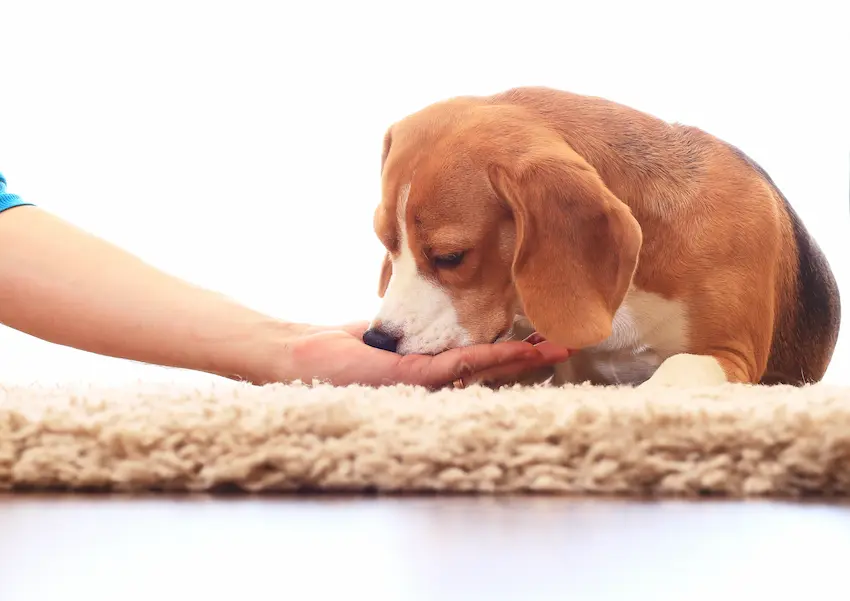
Can Dogs Eat Pumpkin? The Autumn Superfood Explained (Plus Fun Ways to Serve It)
Pumpkins are everywhere in autumn, and it’s not just for carving. If you’ve wondered whether your dog can safely eat it, the short answer is yes. Plain, cooked or canned pumpkin is safe for most dogs and can genuinely support their health, thanks to its fibre content and a useful dose of vitamins A, C […]
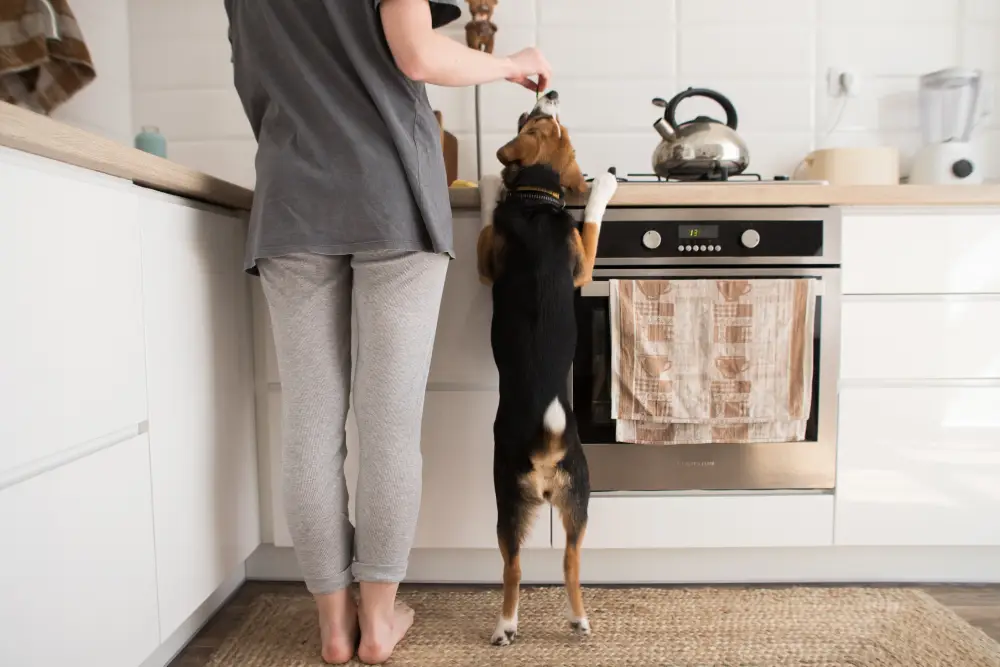
Can Dogs Eat Sweet Potatoes? Raw vs Cooked & Portion Guide
You might be wondering whether your dog can eat sweet potatoes. Generally speaking, yes, most dogs can eat sweet potatoes. When they’re cooked plain and fed in sensible portions, sweet potatoes can be a really useful, dog-friendly carbohydrate source. Your dog may like the texture and subtly sweet taste of this vitamin-enriched spud. However, raw […]

Shop for Dogs

Personalise your search:
Shop for Cats

Personalise your search:
Our Most Popular

Price range: £3.37 through £25.20
View Product
Price range: £0.85 through £10.20
View Product
Price range: £7.55 through £37.75
View Product
Price range: £2.75 through £19.99
View Product

Price range: £2.15 through £14.05
View Product

Price range: £0.75 through £8.25
View Product











Price range: £1.60 through £27.20
View Product