FREE Delivery when you spend over £40
 Sign up to our newsletter for exclusive discounts & offers
Key Takeaway:
Plain, cooked chicken, fish, and eggs are among the most natural treats you can offer a cat. In the right form, they align well with a cat’s carnivorous diet. The risks come from how these foods are prepared. Human canned tuna is high in salt and lacks the taurine cats need. Raw eggs carry a risk of salmonella and interfere with nutrient absorption. And any seasoning, particularly garlic or onion, can be seriously toxic. The protein is rarely the problem; the preparation is.
Can Cats Eat Chicken, Tuna, and Eggs? The Quick Answers
Before getting into the details, here are the straightforward answers to the questions cat owners ask most often.
Can cats eat chicken? Yes, plain cooked chicken is one of the safest and most appropriate treats you can offer your cat. It is high in protein, low in fat, and easy to digest. It should always be boneless, skinless, and completely unseasoned.
Can cats eat tuna? In small amounts, occasionally, yes – but with significant caveats. A little plain tuna as a rare treat won’t harm your cat, but human canned tuna is not suitable as a regular food source. It is high in salt, lacks the taurine cats need, and can contribute to mercury accumulation if you give it to your cat too often.
Can cats eat eggs? Cooked eggs are safe and nutritious for cats. Raw eggs are not recommended. Raw egg whites contain avidin, a protein that blocks biotin absorption, and both the white and the yolk carry a risk of Salmonella contamination.
Can cats eat salmon? Yes, plain cooked or steamed salmon is safe and is a good source of protein and omega-3 fatty acids. Smoked salmon is not suitable, as it is very high in salt. Canned salmon intended for human consumption should be checked carefully for added salt and other ingredients.
Can cats eat turkey? Yes, plain cooked turkey is safe and nutritious, just like chicken. The same rules apply – no seasoning, no skin, no bones, and no stuffing or sauce.
Feeding Cooked Chicken to Cats: The Dos and Don’ts of Poultry
Chicken is an excellent protein source for cats and is the kind of food their bodies are designed to process.
Most cats find it highly palatable, and it is lean, easy to prepare, and unlikely to cause digestive issues in most cats. However, it must only be served plain.
Chicken prepared for human consumption is almost always seasoned, marinated, or cooked in oil, butter, or sauce. All of these things make it unsuitable – and in some cases dangerous – for cats. Garlic and onion are common in poultry dishes and are both toxic to cats, even in small amounts.
Do:
- Offer plain, boneless, skinless chicken breast or thigh
- Ensure it is fully cooked through with no pink remaining
- Cut it into small, manageable pieces appropriate to your cat’s size
- Use it as an occasional treat alongside a complete, balanced cat food – not as a meal replacement
- Store any prepared chicken safely and discard it if it has been left out of the fridge for more than a couple of hours
Don’t:
- Offer chicken cooked with seasoning, garlic, onion, herbs, oils, or sauces
- Give cooked bones – unlike raw bones, cooked bones become brittle and can splinter, causing internal injury
- Offer raw chicken as a casual treat. While some owners may follow raw diets under veterinary guidance, raw poultry carries a risk of bacterial contamination
- Use rotisserie or deli chicken. These are almost always heavily seasoned and often contain garlic
- Offer the skin – it is high in fat and can contribute to weight gain and digestive upset
The Risks of Human Tuna: Heavy Metals, Salt, and Taurine Deficiency
Fish is a natural part of many cats’ diets, and the smell of tuna often captures their attention. Here’s why tinned tuna intended for humans is a poor choice for your cat.
Human Tuna vs Feline-Formulated Tuna
- Salt content: Some cats love a fish fix. But human canned tuna is packed in brine, sunflower oil, or salted water. Even tuna in spring water intended for humans to eat contains more sodium than is appropriate for cats. Too much sodium causes dehydration, increased thirst and urination, and, in larger amounts, sodium ion poisoning.
- Taurine: Taurine is an essential amino acid for cats. Unlike most mammals, cats cannot synthesise it themselves and must obtain it through their diet. Taurine deficiency can lead to dilated cardiomyopathy, a serious heart condition, as well as central retinal degeneration, which can cause blindness. Tuna is relatively low in taurine compared to other protein sources, and the processing involved in canning reduces it further. Complete cat foods are formulated to provide adequate taurine; canned tuna intended for humans is not.
- Mercury: Tuna is a predatory fish that accumulates mercury over its lifetime due to biomagnification. A small amount occasionally is unlikely to harm your cat, but giving them tinned tuna regularly increases mercury exposure over time, which could have an impact on cat’s neurological health.
- Additives: Many human tuna products are packed in oil, flavoured with herbs, or contain other ingredients that are unsuitable for cats. Even tuna in spring water may contain stabilisers or other additives.
The Nutritional Benefits of Cooked Eggs vs The Dangers of Raw Egg Whites
Eggs are a nutrient-dense whole food. When cooked, they make a great occasional treat for cats. They are high in protein, contain a good range of amino acids, and provide B vitamins, selenium, and other micronutrients that support your cat’s overall health.
However, they must be served cooked.
- Cooked whole egg:
- Is high in bioavailable protein and essential amino acids
- Is a good source of B vitamins, including B12 and riboflavin
- Provides selenium and other trace minerals
- Is easy for most cats to digest
- Is safe as an occasional treat when served to your cat plain scrambled or hard-boiled
- Raw egg white:
- Contains avidin, which is a protein that binds to biotin (vitamin B7) and prevents the body from absorbing it.
- Can cause biotin deficiency if your cat eats it too often. This can lead to skin problems, poor coat condition, and other health issues.
- Carries a risk of Salmonella contamination.
- Should be avoided entirely – cooking neutralises avidin and eliminates the bacterial risk.
- Raw egg yolk:
- Lower risk than raw white in terms of avidin, but still carries a risk of bacterial contamination.
- Some people believe yolks have nutritional benefits when raw, but given that cooking resolves the risk without significantly diminishing the nutritional value, there is little practical reason to offer raw yolks
One thing to note on raw eggs is that British Lion Eggs carry a red lion stamp and are safe for humans to eat runny or lightly cooked. This is because the hens are vaccinated against Salmonella Enteritidis and Salmonella Typhimurium. This assurance applies to human consumption guidance, though – cats should still only be given fully cooked eggs, since the avidin in raw egg white affects them regardless of the salmonella risk.
If you want to offer your cat some egg, cook it fully. Plain scrambled egg or hard-boiled egg with no added butter, salt, oil, or seasoning is a safe and nutritious occasional treat.
What About Gravy?
Gravy might seem like the obvious addition to your cat’s favourite protein treat. It adds moisture, makes the treat more appealing, and mirrors the texture of commercial cat food. But homemade gravy can easily undo the good work of only serving your cat plain, safe protein.
Stock cubes, bouillon, and gravy granules are unsuitable for cats. Even reduced-salt options carry far too much sodium for cats, and many contain onion or garlic powder as a flavour base, which is often not obvious from the label.
Cream, butter, or milk-based gravies aren’t safe either, as many cats are lactose intolerant.
If you want to add moisture to your cat’s treats at home, it’s best to stick to plain water or an unsalted, onion-and-garlic-free bone broth made for pets. Or, for a completely safe alternative, cat-specific gravy recipes and lickable treats are made without salt, onion, or garlic.
Dangerous Seasonings to Always Avoid
When preparing protein snacks for your cat, you should always avoid the following ingredients:
- Garlic – toxic to red blood cells; causes haemolytic anaemia; dangerous even in small amounts. For example, if a piece of chicken has been cooked alongside a garlic clove, the chicken may still be contaminated, even if you remove the actual clove.
- Onion and onion powder – the same toxic mechanism as garlic. Powder form is more concentrated and potentially more dangerous gram for gram.
- Leeks and chives – same biological family as onion and garlic; equally toxic and often found in herb mixes.
- Salt – excessive sodium causes dehydration, increased thirst and urination, and at higher levels, sodium ion poisoning.
- Mixed herbs and spice blends – these often contain garlic or onion powder. All pre-mixed seasonings should be avoided.
This advice applies to fresh, dried, and powdered seasonings. Powdered garlic and onion are particularly dangerous because they are more concentrated than fresh garlic and onion. This means they can be present in significant amounts in small volumes of food without being obvious.
Commercial vs Kitchen Proteins: Finding Safe, High-Protein Treats
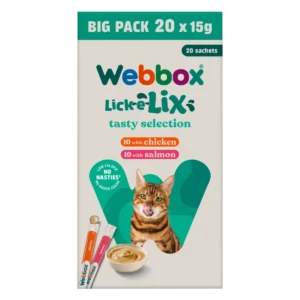
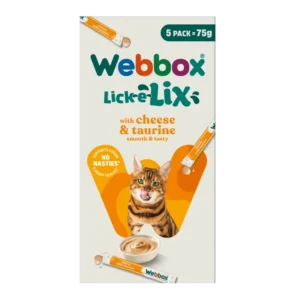
Plain cooked chicken or egg from your own kitchen is fine as a treat every now and then. However, commercial cat treats formulated around real meat and fish offer a more convenient alternative without any risks to your cat. High-protein commercial treats give your cat the meaty taste they crave without any of the risks associated with food preparation. Browse the Webbox Cat Treats Hub for a full range of safer daily alternatives, including lickable treats, meat sticks, and crunchy snacks.
The Bottom Line on Protein Treats for Cats
Meat, fish, and eggs are genuinely good for cats. Offering them as an occasional treat is a positive instinct, not something you should feel uneasy about.
What matters is keeping things plain, properly cooked, and free from seasoning. When you want a treat that’s guaranteed to tick every box without any of the prep, a protein-based treat made just for cats is the simplest way to give them what they love.
Frequently Asked Questions
No. Human canned tuna is high in salt, low in taurine, and can contribute to mercury accumulation over time. Small amounts every now and then are unlikely to cause harm, but you shouldn’t give tuna to your cat every day. Cat-specific tuna or fish products are a much safer option for regular feeding.
Raw chicken is not recommended as a casual treat. It carries a risk of Salmonella and Campylobacter. Some owners follow veterinary-supervised raw diets using properly handled, high-quality meat, but plain cooked chicken is a safer and equally palatable option for most cats.
No. Smoked salmon is very high in salt and often contains other preservatives that aren’t good for your cat. Plain cooked or steamed salmon with no added seasoning is safe in small amounts.
Both are toxic to cats and cause damage to red blood cells, leading to haemolytic anaemia. The symptoms include lethargy, pale or yellowish gums, reduced appetite, and weakness, but these can be delayed by several days after ingestion. If you’re worried your cat has eaten garlic or onion, contact your vet promptly, even if they seem OK.
Treats, including plain cooked chicken, should make up no more than 10 per cent of your cat’s daily calorie intake. A few small pieces, a couple of times a week, is a reasonable amount for most cats. But their main nutrition should always come from a complete, balanced cat food.

Recent News




Related Articles
Why Do Cats Eat Grass? Benefits, Safety & Growing Cat Grass at Home
If you’ve ever caught your cat chewing on a blade of grass, then bringing it back up minutes later, you’re not alone, and you’re not doing anything wrong. Grass-eating is one of the most common (and most misunderstood) feline behaviours, and it’s completely normal for cats of every age and lifestyle. Cats eat grass out […]

How to Give a Cat a Pill (Without Getting Scratched): A Step-by-Step Medication Guide
Key Takeaway: Traditional methods of giving a cat a pill, such as scruffing, prying open their jaw, and forcing it down, often fail. And they can also create lasting anxiety around handling and mealtimes. Masking the pill’s structure and strong medicinal scent inside a thick, aromatic puree is a far more effective approach. This method […]
No Teeth, No Appetite? Best Food Toppers, Soft Treats, and Hydration Tricks for Cats
Key Takeaway: Sick, senior, or toothless cats often need a highly tailored approach to eating and drinking. Liquid purees and moisture-rich food toppers eliminate the oral pain and choking risk associated with hard foods. And their intense aromatic profile helps stimulate an appetite that illness or age may have diminished. These same foods also offer […]

Shop for Dogs

Personalise your search:

Shop for Cats

Personalise your search:
Our Most Popular

Price range: £3.75 through £28.00
View Product
Price range: £0.85 through £10.20
View Product
Price range: £7.55 through £37.75
View Product
Price range: £3.00 through £21.00
View Product

Price range: £2.15 through £15.00
View Product

Price range: £0.75 through £8.25
View Product






Price range: £1.60 through £27.20
View Product