FREE Delivery when you spend over £40
 Sign up to our newsletter for exclusive discounts & offers
Key Takeaway:
Whether your cat has shown an interest in whatever you’re snacking on or you’re searching for healthy treat alternatives, it’s worth knowing where fruit and veg fit into a feline diet.
As obligate carnivores, cats lack sweet taste receptors and have no biological need for plant-based foods. While certain items like strawberries or cooked pumpkin are safe for cats in small quantities, others – including grapes and anything from the onion family – are highly toxic.
The Obligate Carnivore Diet: Do Cats Benefit From Eating Fruits and Vegetables?
Cats are obligate carnivores, which means their bodies are designed to get all the nutrition they need from animal protein and fat. Unlike humans or even dogs, they have no biological requirement for fruits, vegetables, or any plant-based food. This isn’t a dietary preference; it’s a physiological fact built into their evolution.
This distinction matters for a few reasons.
First, cats lack the sweet taste receptors that make fruit appealing to most mammals. They are not drawn to sweetness the way we are, and any interest your cat shows in fruit is more likely down to curiosity, texture, or smell. If your cat bats a strawberry around the kitchen floor, they’re probably more interested in it as a toy than a snack.
Second, cats have a limited ability to process plant matter efficiently. Their digestive systems are short and optimised for meat. Fibre, fructose, and plant-based compounds that humans handle easily can cause digestive upset in cats, even in small amounts.
A cat’s liver also lacks certain enzymes that allow other animals to convert plant-based nutrients into usable forms. Beta-carotene, for example, which humans convert into vitamin A from vegetables, cannot be processed this way by cats. They need preformed vitamin A from animal sources.
Third, cats have a very low thirst drive compared to other animals because, in the wild, they get most of their moisture from prey. This means their kidneys are adapted to concentrate urine efficiently, but it also means high-sugar or high-fibre foods can put additional strain on their digestive and urinary systems.
This doesn’t mean all fruit and veg are harmful to cats. Some are safe in small quantities and can even offer minor benefits, such as extra hydration or a small amount of digestive fibre.
However, your cat doesn’t need to eat fruits and vegetables, so they shouldn’t form a regular part of their diet.
Safe plant-based foods should be an occasional curiosity treat. Your cat’s diet should always be anchored in quality animal protein.
Are Strawberries and Berries Safe for Cats? Sweetness and Sugar Realities
Strawberries are not toxic to cats. A small piece of fresh strawberry, offered occasionally, is unlikely to cause harm.
However, don’t forget that strawberries are high in sugar, and cats do not process sugar in the same way humans do. Their livers aren’t designed to regulate blood sugar efficiently. Over time, regular sugar treats can contribute to weight gain and may increase the risk of diabetes. Given how small cats are compared to us, even a little bit of sugar can be problematic.
The same applies to other berries. Blueberries are safe in small amounts. They contain lots of antioxidants, although the practical relevance of antioxidants to feline health is less established than in humans.
Raspberries are technically safe, but they contain small amounts of xylitol (which is toxic to cats), so it’s best to avoid them.
Blackberries are safe in small quantities and are low in sugar compared to other fruits, so they’re a slightly better option.
Cranberries are not toxic to cats, and there is some evidence to suggest they may support urinary tract health, which is a genuine issue for many cats. However, many cats don’t enjoy the bitter taste of cranberries, and cranberry products aimed at humans often contain added sugar or sweeteners that make them unsuitable for cats.
Some berries are not safe at all. Grapes and raisins are severely toxic to cats and can cause acute kidney failure, even in tiny amounts. The reaction can be rapid and serious, and there is no established safe quantity, so you should never offer your cat grapes, even as a one-off.
If your cat seems to enjoy fruity treats, Webbox Lick e Puds Strawberry is a safer way to satisfy their interest. Why not explore the full Lick e Lix range to find other flavours they might enjoy?
Sugar, Fruit, and Your Cat’s Dental Health
Beyond blood sugar concerns, regular sugary treats can also affect your cat’s teeth and gums. Sugar residue left on the teeth feeds the bacteria that form plaque, and over time this can contribute to gum inflammation (gingivitis) and tooth decay, just as it does in humans.
Cats are already prone to dental disease, so any dietary habit that adds to plaque build-up is worth avoiding where possible.
This risk is low from the very occasional piece of fruit, but it’s another reason to keep sugary treats like strawberries and berries as a rare novelty rather than a regular habit, and to always monitor your cat’s teeth and gums for signs of redness, swelling, or bad breath.
Safe Veggies vs Dangerous Crops: From Pumpkin and Peas to Toxic Onions
Vegetables follow a similar pattern to fruit. Some are safe in small amounts, others are seriously dangerous, and none are nutritionally essential for your cat.
The most important thing to know is that the onion family is toxic to cats and should never be offered in any form, cooked or raw. This includes onions, garlic, leeks, and chives.
Safe Fruit and Veg in Small Amounts
- Strawberries – safe occasionally. High in sugar, so offer sparingly.
- Blueberries – safe in small amounts. Offer as an occasional treat.
- Blackberries – safe in small quantities. Lower in sugar than many other fruits.
- Watermelon (seedless, no rind) – hydrating. Fine in small pieces.
- Cooked pumpkin – gentle on digestion. Can help with mild constipation or loose stools.
- Cooked courgette – safe and low-calorie. Most cats tolerate it well.
- Steamed broccoli – safe in very small amounts. Offer plain and unseasoned.
- Cucumber – hydrating and low-calorie. Fine in small pieces.
- Cooked peas – safe occasionally. Commonly used as a filler in commercial cat food.
- Cooked carrot – soft and safe. Offer in small amounts only.
- Cooked green beans – safe and low-calorie. A reasonably low-sugar treat option.
- Cooked spinach – safe in small amounts for healthy cats, but due to its oxalate content, it should be avoided if your cat has a history of urinary or kidney problems
Dangerous Garden Hazards – Never Feed These to Your Cat
- Raspberries – although technically safe, they contain a small amount of xylitol, so it’s best not to give them, just in case.
- Grapes and raisins – can cause acute kidney failure, even in tiny amounts
- Onions – toxic to red blood cells. Causes haemolytic anaemia.
- Garlic – more potent than onion, toxic even in very small amounts.
- Leeks and chives – same family as onion and garlic; equally toxic.
- Unripe or green tomatoes – contain solanine, which is toxic to cats. Ripe red tomato flesh is lower risk, but still best avoided.
- Rhubarb – contains soluble oxalates; toxic to cats.
- Avocado – contains persin, which can cause digestive upset and cardiac issues in cats.
- Mushrooms – wild varieties can be highly toxic. Even shop-bought varieties are best avoided as a precaution.
Ripe red tomato flesh in very small amounts is generally considered low-risk for cats, but the leaves, stems, unripe fruit, and the tomato plant itself are toxic to cats. Given this ambiguity, it is safest to avoid tomatoes altogether.
How to Safely Introduce Plant-Based Whole Foods to Curious Felines
If you want to let your cat try a safe fruit or vegetable, here are a few simple rules to help keep it risk-free and avoid any unnecessary digestive upset.
Start with a very small amount. Offer a piece no larger than a fingernail and wait at least 24 hours before offering more. Even safe foods can cause loose stools or vomiting in cats with sensitive stomachs, especially if they are not used to plant matter in their diet.
Always prepare it properly. Vegetables should be cooked, plain, and completely unseasoned. Raw veggies are harder for cats to digest, and cooking breaks down some of the tougher plant fibres. Fruit should be fresh, washed thoroughly, and offered without seeds, peel or rind. These parts of the fruit often contain compounds that are harder for cats to process than the flesh itself.
Check every ingredient. If a food has been prepared for you or your family to eat, check everything that went into it. Many seemingly simple foods contain garlic powder, onion, salt, or other additives that make them dangerous for cats, even when the base ingredient is safe.
Never offer grapes, raisins, onions, garlic, or anything from the onion family. These foods are toxic to cats and should be treated as completely off-limits without exception. This applies to powdered and dried forms, as well as fresh.
Don’t make it a regular habit. Even safe plant-based treats should be occasional. Your cat’s diet should be built around quality animal protein. If you’re looking for a reliable everyday treat, a meat-based option will serve them far better than any fruit or vegetable.
Watch for reactions after anything new. If your cat vomits, develops loose stools, becomes lethargic, loses their appetite, or shows any other unusual symptoms after trying a new food, stop offering it and contact your vet if symptoms persist or worsen.
The Bottom Line on Cats and Plant-Based Treats
Cats are not built to graze on plant matter, and they don’t need it. The safest and most satisfying treats are always the ones that reflect what cats are – obligate carnivores with a taste for real animal protein. If your cat is on the lookout for something to snack on, a meat-based treat made for cats will always be better than something from your fruit bowl or vegetable drawer.
Frequently Asked Questions
Yes, strawberries are safe for cats to eat in small amounts. They are not toxic, but they are high in sugar, so they should only be offered occasionally and in very small pieces. Most cats won’t show much interest as they lack sweet taste receptors, but for those that do, a small piece now and then is OK.
No. Grapes and raisins are highly toxic to cats. They can cause acute kidney failure, even in tiny quantities. There is no established safe amount, and the reaction can be rapid. You should never let your cat eat grapes or raisins.
Yes, plain cooked pumpkin is safe for cats. It is sometimes used in small amounts to help with mild digestive issues like constipation or loose stools. It should always be served plain – tinned pumpkin with added spices, sugar, or sweeteners is not suitable for cats.
Steamed broccoli is safe for cats in small amounts. It is not toxic, but not all cats will tolerate it well. Always offer it plain and fully cooked, and only in small quantities as an occasional treat.
Not in the way they are for humans. Cats are obligate carnivores, so they have no nutritional need for vegetables. Some are safe in small amounts and can offer minor hydration or fibre, but they should only ever be offered occasionally. Some vegetables (like onions, garlic, leeks, and chives) are toxic to cats and should be avoided altogether. A complete, balanced cat food is all your cat needs.
Safe options in small amounts include strawberries, blueberries, blackberries, and seedless watermelon. All should be offered plain, fresh, and without skin, seeds, or rind. Grapes and raisins are toxic and should never be given to your cat.

Recent News





Related Articles
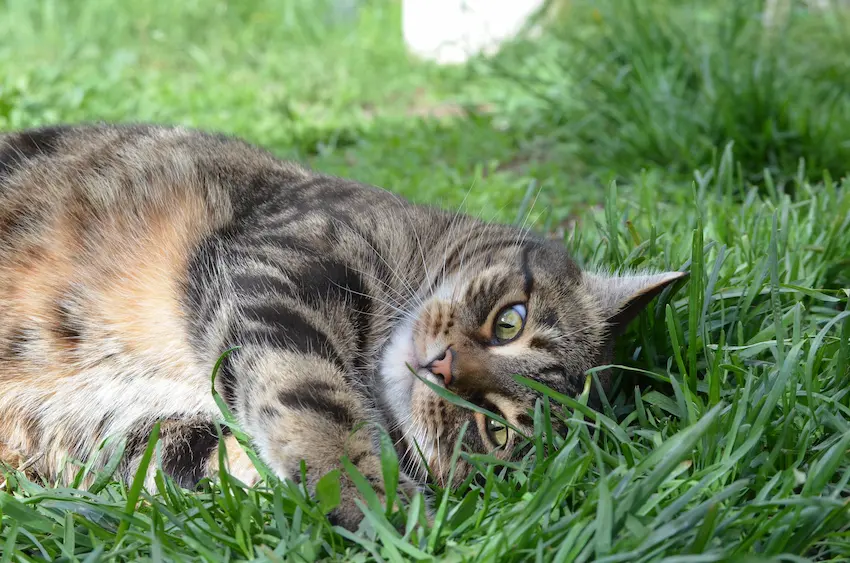
Why Do Cats Eat Grass? Benefits, Safety & Growing Cat Grass at Home
If you’ve ever caught your cat chewing on a blade of grass, then bringing it back up minutes later, you’re not alone, and you’re not doing anything wrong. Grass-eating is one of the most common (and most misunderstood) feline behaviours, and it’s completely normal for cats of every age and lifestyle. Cats eat grass out […]
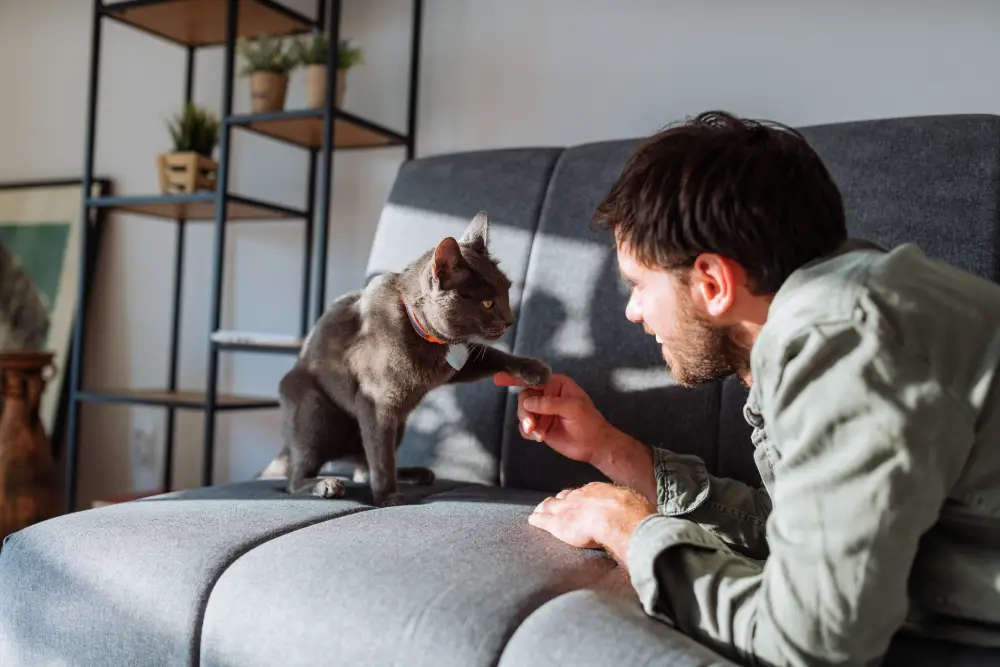
How to Give a Cat a Pill (Without Getting Scratched): A Step-by-Step Medication Guide
Key Takeaway: Traditional methods of giving a cat a pill, such as scruffing, prying open their jaw, and forcing it down, often fail. And they can also create lasting anxiety around handling and mealtimes. Masking the pill’s structure and strong medicinal scent inside a thick, aromatic puree is a far more effective approach. This method […]
No Teeth, No Appetite? Best Food Toppers, Soft Treats, and Hydration Tricks for Cats
Key Takeaway: Sick, senior, or toothless cats often need a highly tailored approach to eating and drinking. Liquid purees and moisture-rich food toppers eliminate the oral pain and choking risk associated with hard foods. And their intense aromatic profile helps stimulate an appetite that illness or age may have diminished. These same foods also offer […]

Shop for Dogs

Personalise your search:

Shop for Cats

Personalise your search:
Our Most Popular

Price range: £3.75 through £28.00
View Product
Price range: £0.85 through £10.20
View Product
Price range: £7.55 through £37.75
View Product
Price range: £3.00 through £21.00
View Product

Price range: £2.15 through £15.99
View Product


Price range: £0.75 through £8.25
View Product











Price range: £1.60 through £27.20
View Product