FREE Delivery when you spend over £40
 Sign up to our newsletter for exclusive discounts & offers
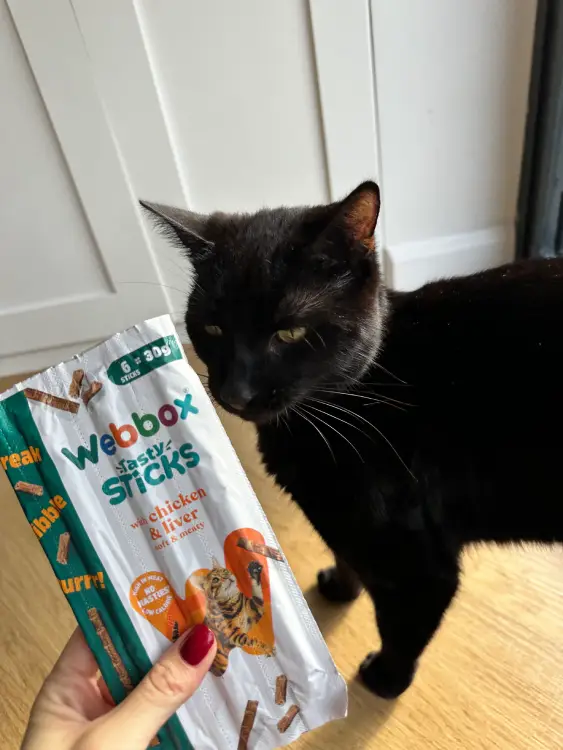
Every cat has their own tastes, and their humans know them best! From favourite flavours and different textures to the little moments of fuss and fun they create, treats are a big part of everyday life with a cat.
So what makes cat owners love our cat treats? Here are five reasons.
1. We have cat treats for the fussiest cats
Cats can be famously fussy, so finding a treat that gets them excited isn’t always easy! Flavour can make all the difference, whether your cat prefers chicken, fish or something a little cheesier.
If your cat has seen it all, there are some fun flavours to try too. A creamy lickable treat in strawberry or vanilla can be a playful way to mix things up.
It’s not just about finding any treat, but finding the one your cat gets excited about. One customer mentioned “My super fussy girl is absolutely addicted to the chicken flavoured lick-e-lix (she enjoys the salmon one too) so giving her supplements has become super easy!”
2. We have crunchy, soft and lickable cat treats
Every cat has their own way of enjoying a treat. Some love a satisfying crunch, while others prefer something smooth and creamy. Luckily, Webbox has plenty of textures to explore!
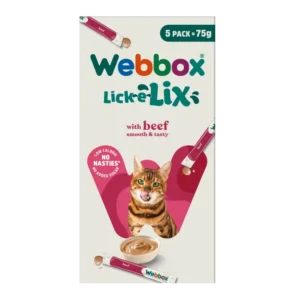
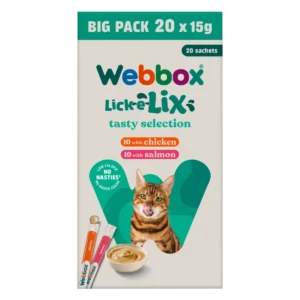
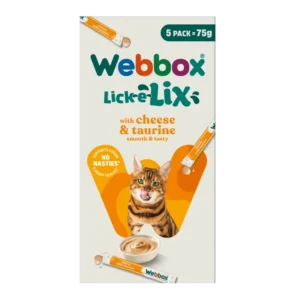
Lickable treats like Lick-e-Lix suit cats who like something creamy, while Pocketfuls and Snackibles are for the crunch fans.
Age can make a difference too. Kittens should only be given treats suitable for their age, following the feeding guidance. Older cats can be more fussy and may prefer softer, lickable treats, particularly if crunchy bites become harder to manage.
Got an older cat who struggles with crunchy treats? Read our guide to soft treats, food toppers and feeding tips for senior cats.
One Feefo reviewer shared just how much their cats enjoyed a crunchy treat:
“They vanish so fast! My cats tried them for the first time and enjoyed them so much. No licking, just crunch and gone, then they shout for more! They even eat up the crumbs. These have made my cats very happy, thank you. I’ll be back for more, or the cats will throw me out!”
3. We have cat treats for guilt-free little treats
Most owners want to treat their cat without worrying that they’re overdoing it. Some of our cat treats, including Lick-e-Lix and Lick-e-Pops, are lower in calories, and contain no added sugar. If you’re keeping an eye on your cat’s waistline, you can also browse our low-calorie cat treats.
The golden rule is that treats are a bonus, not a meal. They should sit alongside a complete, balanced diet, and it helps to count them as part of your cat’s daily food allowance.
Some treats add a little extra goodness too. Pocketfuls contain taurine and added vitamins A, D and E. Taurine is essential for normal heart function and vision, while vitamin A supports vision and immune function. Vitamin D helps maintain healthy bones, and vitamin E helps protect cells from oxidative damage.
4. We have cat treats to make mealtimes more exciting
Got a cat who turns their nose up at dinner? A little something extra might help! Cat treat toppers don’t have to be creamy. You can crumble crunchy Webbox Snackibles over your cat’s usual food for an extra bit of texture, or drizzle lickable treats over their meal for a smooth, tasty addition.
One reviewer shared their own method: “My two cats love both the salmon and chicken flavour. I put it over the top of their wet food or mix it in with chopped up chicken.”
Keep portions small, and don’t let a topper become the only way your cat will eat. If your cat regularly refuses food, speak to your vet rather than relying on toppers to encourage eating.
5. We have cat treats for bonding and training
Treat time is about more than tasty snacks. Whether you’re sharing a quiet moment on the sofa or enjoying a little play together, offering your cat a treat can be a lovely way to spend time together.
Treats are also handy for positive reinforcement training, like teaching your cat to come when called. Here’s a simple way to start:
- Find a quiet spot with few distractions and grab a few small treats.
- Say your cat’s name, and give them a treat the moment they look at you.
- Once they’ve got the hang of it, take a step back and call their name again. Reward them when they walk towards you.
- Keep sessions to a few minutes at a time and stop while it’s still fun.
Short, cheerful sessions work best. Cats have a way of letting you know when they’ve had enough.
And, by the way, we’ve been shortlisted!
It’s always lovely to hear that cats enjoy their Webbox favourites, so we’re proud that two of our cat treats have been shortlisted for the Quality Pet Food Awards 2026: Lick-e-Lix Chicken and Cheese Pocketfuls Cat Treats.
Whether your cat prefers a creamy lickable treat or a satisfying crunch, we hope treat time stays one of the best parts of their day.
Ready to find your cat’s new favourite? Explore the Webbox cat treats range and discover something tasty for your feline friend.
Frequently Asked Questions
Cats can be very particular about flavour, texture and even how a treat smells. Some also change their minds, so a favourite one month might be ignored the next. Offering a different texture, such as a lickable treat instead of a crunchy one, is often an easy thing to try.
Common signs include gradual weight gain, leaving their main meals because they’re holding out for treats, and begging becoming more frequent. If you notice any of these, cut back and check the feeding guidance on the packaging. Your vet can help if you’re worried about your cat’s weight.
Some human foods are safe in small amounts, but others are toxic to cats, so it’s best to check first. Our guide to safe and toxic human foods for cats lists what to avoid.
Often yes, but in small amounts and counted within their daily allowance. Lower-calorie options can help. Ask your vet for a weight plan that suits your cat before changing their diet.



Related Articles
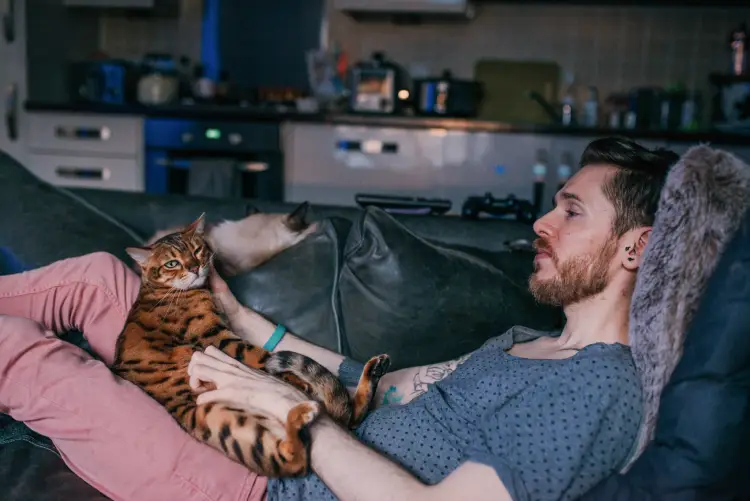
Do Cats Fight Over Treats? How to Manage Treat Time in a Multi-Cat Home
Treat time should be one of the easy, happy moments in a multi-cat household. But for a lot of owners, it’s actually when the hissing starts. If your cats stare each other down over a sachet of Lick-e-Lix or one cat always seems to end up with the lion’s share, you’re not imagining it, and […]
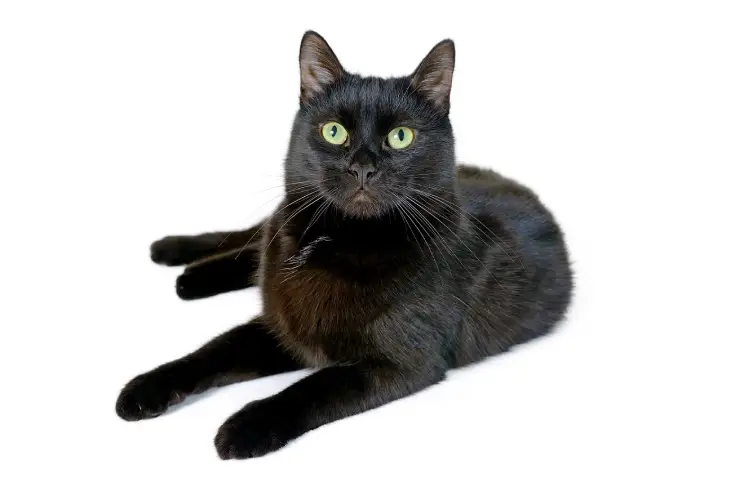
5 Pawsitively fascinating facts about black cats
Most commonly associated with Halloween, witchcraft and superstition, black cats have undoubtedly gained a bad rep over the years- despite being just as loveable as their more colourful cousins! With National Black Cat Day just around the corner, we decided to share some spell-binding facts about our feline friends. Facts about black cats 1. Black […]
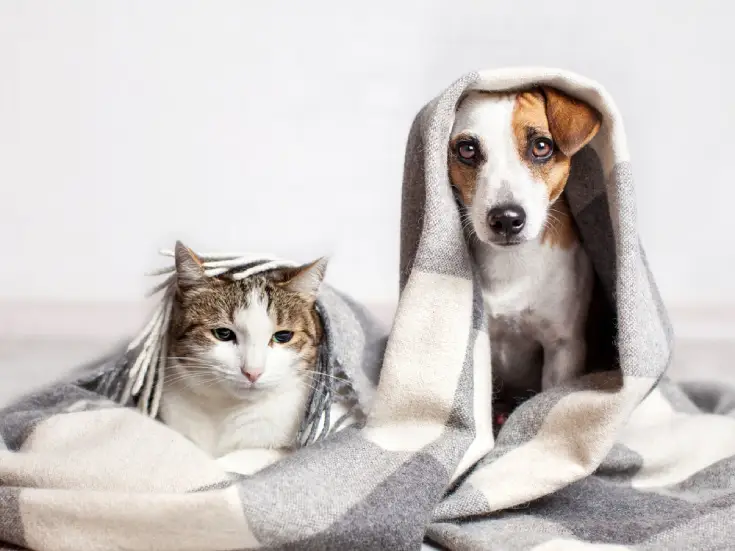
How to Keep Your Pet Calm & Relaxed on Bonfire Night
Bonfire Night may be a fun time for us humans, but it can also be a stressful evening for our furry friends. As cats and dogs can both hear from far distances and can pick up high-frequency sounds, the sounds of loud fireworks will be incredibly distressing for them. That’s why you must take precautionary […]

Shop for Dogs

Personalise your search:

Shop for Cats

Personalise your search:
Our Most Popular

Price range: £3.37 through £25.20
View Product
Price range: £0.85 through £10.20
View Product
Price range: £7.55 through £37.75
View Product
Price range: £2.75 through £19.99
View Product

Price range: £2.15 through £14.05
View Product

Price range: £0.75 through £8.25
View Product








Price range: £1.60 through £27.20
View Product