FREE Delivery when you spend over £40
 Sign up to our newsletter for exclusive discounts & offers

Yes, collagen can be beneficial for many dogs, especially for joint, skin, and coat support.
However, collagen is a supplement, not a magic cure. And it won’t be right for every pup.
Used sensibly and alongside a complete diet, collagen can help keep your dog moving comfortably and their coat looking super glossy. But you’ll need to keep an eye on their weight, any tummy sensitivity, and existing health conditions.
What is Collagen?
Collagen is a structural protein that helps form your dog’s joints, cartilage, ligaments, skin, coat, and nails. Think of it as the scaffolding that holds everything together and keeps things flexible rather than fragile.
Dogs naturally produce collagen in their bodies. But just like humans, your dog’s collagen levels can decline with age, injury, and general wear and tear.
That’s why collagen has become a popular functional ingredient in pet foods, chews, and supplements – particularly for senior dogs and active breeds who love a good zoom around the park.
Is Collagen Safe for Dogs?
For most healthy adult dogs, collagen from pet-safe sources (like beef, chicken, or fish) is considered safe when used in appropriate amounts as part of a balanced diet.
It’s already present in many complete foods, dog collagen treats, and joint supplements you’ll see on UK shelves.
The main safety considerations are:
- Make sure any collagen product you give to your dog is specifically formulated for pets (never share your human-only collagen supplements).
- Stick to the recommended feeding guidelines on the packaging.
- Introduce it gradually and watch out for any tummy problems, itching, or changes in behaviour.
If your dog has an existing medical condition, is on a prescription diet, takes long-term medication, or has had digestive issues in the past, it’s always worth having a quick chat with your vet before adding a new supplement or treat that’s high in protein or functional ingredients.
Joint Benefits: Can Collagen Help Stiff Dogs?
Collagen has become especially popular for joint support, and there are some good reasons dog owners (and vets) are talking about it.
Potential joint and mobility benefits for dogs include:
- Supporting cartilage and connective tissue. Collagen is a key building block of cartilage, ligaments, and tendons, which help cushion your dog’s joints and keep them moving smoothly.
- Helping with comfort and flexibility. Some owners report their older dogs seem more comfortable getting up, climbing stairs, or hopping in the car after a period on a collagen-rich joint supplement.
- Supporting active and sport dogs. Dogs who regularly run, jump, or take part in sports like agility or canicross put more stress on their joints. Sensible collagen supplementation may help maintain healthy cartilage as part of a wider joint-care plan.
Collagen is usually combined with other joint-friendly ingredients like glucosamine, chondroitin, omega-3s, and antioxidants. It’s not a replacement for weight management, gentle exercise, or prescribed medication, but it can be a useful extra for many dogs.
Collagen for Dogs’ Skin and Coat
If you’ve seen “skin & coat” treats or liquids promising shine and softness, collagen is often on the ingredient list.
Possible skin and coat benefits include:
- Improved skin elasticity and hydration. Collagen helps the skin barrier stay more resilient and better hydrated, which may help reduce dry and flaky skin.
- Shinier, fuller coat. Because it’s involved in hair structure, adequate collagen can support strong hair shafts and a denser, glossier coat – which is great news if your dog’s fur is looking a bit tired.
- Support for itchy or sensitive skin. Collagen won’t cure allergies, but by supporting the skin barrier, it may help some itchy or allergy-prone dogs feel more comfortable alongside vet-recommended treatment.
Again, this works best as part of the bigger picture: a complete, balanced diet, adequate grooming, parasite control, and any medical treatment your vet has advised.
When Might Collagen Be Risky or Unhelpful?
Collagen is not automatically suitable for every dog. There are some situations where you need to be cautious or avoid giving it to them altogether.
Puppies
Puppies need a complete, age-appropriate puppy food. A tiny amount of collagen from treats designed for puppies is usually fine, but:
- Avoid giving them lots of functional treats or supplements “just in case.”
- Don’t replace a balanced puppy diet with supplements.
- Check the age guidance on the packaging. Many collagen chews and liquids are intended only for adult dogs.
If in doubt, ask your vet before you give your young pup anything beyond their regular puppy food and a simple, puppy-safe treat.
Obese or Overweight Dogs
Collagen on its own is high in protein and generally not very fatty, but many collagen products come as chews or sticks which can be calorie-dense.
“Joint” and “beauty” treats still add to the daily calorie bank, so if your obese or overweight dog needs to lose a bit of weight, you’ll need to count collagen chews and treats into their daily allowance, choose lower-calorie formats (like measured powders or liquids), and prioritise a tailored weight-loss plan and gentle exercise.
Dogs with Diabetes
Some collagen products include added flavours, oils, or even sugars to make them tasty. That can be a problem for diabetic dogs.
If your dog has diabetes or is at risk of it, avoid collagen products that contain sweeteners (like xylitol), syrups, or high-fat coatings; stick to vet-approved diets and treats, and only introduce new supplements under veterinary guidance.
Dogs with Sensitive Tums
Collagen is usually well tolerated, but some dogs with sensitive stomachs might experience soft stools or diarrhoea if they have too much collagen in one go, or vomiting if they gulp down rich chews too quickly.
If your dog has a sensitive tummy, you should introduce collagen very slowly and in tiny amounts. Avoid giving them big, hard chews that encourage frantic chomping and swallowing, and stop giving collagen immediately if you notice any new tummy troubles.
Dogs with Existing Health Conditions
If your dog has pancreatitis (or a history of it), kidney or liver disease, food allergies, protein sensitivities, or is on a strict prescription diet, then adding any extra supplement (including collagen) should be a joint decision between you and your vet.
Even something that sounds natural can clash with a carefully balanced diet.
How Much Collagen Can Dogs Have?
This is a tricky one to answer – there’s no single perfect dose that suits every dog, because products and dogs vary so much.
A good rule of paw is:
- Follow the feeding guidelines on the specific product
- Treat collagen-enhanced treats as extras, not a replacement for your dog’s complete food
- Adjust other treat portions that day so you’re not accidentally feeding your dog too much
Here’s a loose guide on portioning, according to the size of your dog:
- Small dogs (up to about 10 kg – think Miniature Dachshund, Yorkshire Terrier, Pug) – just one small collagen treat or the lowest recommended dose of a liquid or powder per day is plenty.
- Medium dogs (10-25 kg: Cocker Spaniel, Beagle, Staffie) – one medium collagen chew or the standard product dose per day; consider splitting it into two servings.
- Large and giant dogs (25 kg+ – Labrador, Golden Retriever, German Shepherd, Husky) – may need a larger chew or a higher dose of a supplement, but you still need to factor it into their total calorie intake.
If you’re giving your dog more than one functional product (for example, a joint food plus a collagen chew plus a skin supplement), double-check with your vet that you’re not overdoing certain ingredients.
How to Serve Collagen To Your Dog Safely
How you serve collagen to your dog matters just as much as the portion size.
Common formats include:
- Dog collagen chews and sticks. Great for dogs who love to gnaw! Choose a size that matches your dog’s jaw, supervise chewing, and remove small pieces to prevent gulping.
- Powder. Handy if your dog is fussy about textures. You can just sprinkle the recommended amount over their normal food and mix it in.
- Liquid. Often flavoured and easy to measure by weight. Can be poured over kibble like gravy!
- Built into complete diets and treats. Some complete dog foods and treats include collagen as one of several targeted ingredients, which can be an easier way to incorporate it without juggling multiple tubs.
Whichever format you choose for your furry friend, stick to products clearly labelled for dogs, introduce it slowly over 5-7 days, starting with a fraction of the full dose, and avoid heavily seasoned human collagen snacks or anything aimed at gym-going humans. That means no garlic, chilli, or mystery blend powders for your pup, however much they beg.
Frequently Asked Questions
Most healthy dogs can have collagen when it’s given in appropriate amounts and in a dog-safe format. The main difference is portion size – a tiny Toy Poodle will need a lot less than a Labrador, even if both would happily argue otherwise.
Some dogs do well on daily collagen as part of a long-term joint or skin plan, especially when it’s built into a complete diet or carefully dosed supplement. Others might only need a short course during certain life stages, or when advised by a vet. If you’re giving collagen daily, keep a close eye on your dog’s weight, stools, and overall comfort, and keep your vet in the loop at annual check-ups.
Collagen is slightly different, rather than automatically better. Many high-quality joint products combine collagen with glucosamine, chondroitin, and omega-3s to support different parts of the joint and surrounding tissues. Depending on your dog’s age, breed, and level of arthritis, your vet might suggest one, a combination, or even a prescription-only product.
Collagen can support your dog’s skin and coat health, which may help reduce excessive moulting, especially if their coat is dull or brittle. That said, some shedding is completely normal (especially in double-coated breeds), and factors like grooming, parasites, allergies, and diet quality also play big roles.
If your dog likes to inhale their chews in three bites flat, large or very hard collagen sticks can be a choking or blockage risk. If your dog is a gulper, it’s probably safer to use measured powders or liquids instead of big chews. You could also offer softer training treats or break chews into smaller pieces – although you’ll still need to supervise them closely. Another option is to choose enrichment toys and slow-feeding options that don’t involve hard, gulpable chunks.
Final Thoughts
Collagen can be a helpful addition to your dog’s diet. It can support their joints, skin, and coat, and keep their tail wagging, while still leaving plenty of room in their bowl for a complete, balanced food and the odd treat. If you’re ever unsure whether a treat or supplement is right for your pup, it’s best to speak to your vet for advice.




Related Articles

Best Pet Halloween Costume Ideas 2026 & Safety Tips for Dogs
Halloween is right around the corner and there’s nothing we love more than having our pets join us in the spooky season! We’re here with all the inspiration and tips to ensure your dog is happy and terrifyingly cute this Halloween. Is it safe to dress your dog up for Halloween? Yes, as long as the […]

Can Dogs Eat Pumpkin? The Autumn Superfood Explained (Plus Fun Ways to Serve It)
Pumpkins are everywhere in autumn, and it’s not just for carving. If you’ve wondered whether your dog can safely eat it, the short answer is yes. Plain, cooked or canned pumpkin is safe for most dogs and can genuinely support their health, thanks to its fibre content and a useful dose of vitamins A, C […]

Can Dogs Eat Sweet Potatoes? Raw vs Cooked & Portion Guide
You might be wondering whether your dog can eat sweet potatoes. Generally speaking, yes, most dogs can eat sweet potatoes. When they’re cooked plain and fed in sensible portions, sweet potatoes can be a really useful, dog-friendly carbohydrate source. Your dog may like the texture and subtly sweet taste of this vitamin-enriched spud. However, raw […]

Shop for Dogs

Personalise your search:

Shop for Cats

Personalise your search:
Our Most Popular

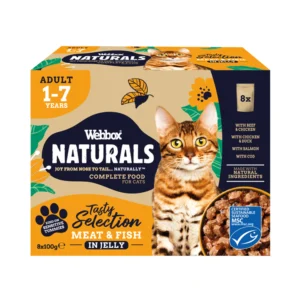
Price range: £3.37 through £25.20
View Product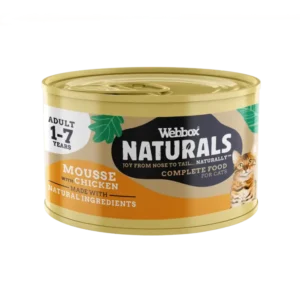
Price range: £0.85 through £10.20
View Product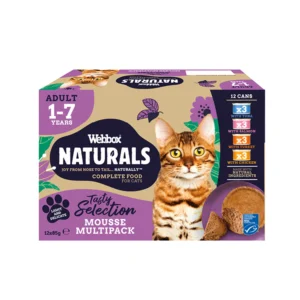
Price range: £7.55 through £37.75
View Product
Price range: £2.75 through £19.99
View Product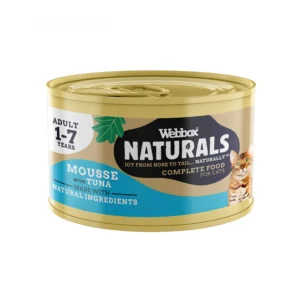

Price range: £2.15 through £14.05
View Product

Price range: £0.75 through £8.25
View Product











Price range: £1.60 through £27.20
View Product