FREE Delivery when you spend over £40
 Sign up to our newsletter for exclusive discounts & offers
Cat treats are part of everyday life for most cat owners, whether it’s rewarding good behaviour, encouraging play or just giving in when your cat gives you that look.
But not all treats are created equal. Some are designed purely for indulgence, while others can support digestion, dental health or skin and coat condition. Choosing the right treats means understanding what’s inside them, when to use them and what actually suits your cat’s needs.
This guide breaks it all down in a simple, practical way.
Why cat treats should be chosen carefully
Treats can be a positive part of your cat’s routine, but they should be used alongside a complete and balanced diet.
Veterinary nutrition experts generally recommend that treats make up no more than 10% of your cat’s daily calorie intake.
Used responsibly, treats can help with:
- Training and behaviour reinforcement
- Bonding with your cat
- Enrichment and play
- Supporting certain health needs
- Encouraging eating as a food topper
- Disguising medication
Many cat owners use treats as part of their daily routine, whether it’s for play, attention or encouraging certain behaviours. In fact, in our 2026 survey, over half of cat owners reported using treats for bonding or interaction, showing that treats are often linked to connection rather than just feeding.
However, treats that are high in calories or low in nutritional value can contribute to weight gain or digestive upset if given too frequently. Understanding the purpose and nutritional content of different treat types helps cat owners make better decisions.
What to look for when choosing the right cat treats
1. Ingredients matter most:
Cats are obligate carnivores, meaning they rely on nutrients found in animal protein. They also require nutrients such as taurine, which is essential for heart health, vision and overall wellbeing.
Look for treats that list these proteins as the first ingredient:
- chicken
- salmon
- tuna
- beef
Try to limit:
- fillers like corn, wheat or soy
- artificial colours and preservatives
- excessive salt or sugar
A shorter ingredient list is often easier to digest, especially for sensitive cats.
2. Prioritise nutritional balance:
Treats still contribute to your cat’s overall intake, even though they’re not a main food source.
Some are formulated to support specific areas of health, such as:
- Digestion (with fibre or prebiotics) – options like Webbox Cat Grass can help support natural digestion and hairball management.
- Skin and coat (with Omega fatty acids) – fish-based options like Webbox Snackibles Coastal Creations cat treats can help support this thanks to naturally occurring Omega oils.
- Overall wellbeing (with vitamins A, D & E) – some treats, including Webbox Chicken Pocketfuls are formulated with added vitamins to support general health.
- Muscle maintenance and energy (with high protein content) – meat-rich options like Webbox Tasty Sticks can help support your cat’s natural energy levels.
3. Choosing the right texture:
Texture plays a bigger role than many owners expect. It can influence how suitable a treat is depending on your cat’s age, preferences and needs.
| Texture | Best for | Why it matters |
| Crunchy | Training, dental support | May help reduce plaque slightly |
| Soft | Senior cats, dental issues | Easier to chew and digest |
| Creamy | Bonding, hydration | Very appealing and ideal for interaction |
If you’re unsure which texture suits your cat best, you can explore this in more detail in our soft vs crunchy comparison guide.
Creamy treats are often used during bonding and tend to win over even fussy cats. If your cat is picky, try different textures as some prefer crunchy on the outside and soft inside.
4. Finding your cats favourite flavour:
There’s a wide variety of flavours available, from meaty and fishy to more unusual options, and most cats will quickly show you what they like (and what they definitely don’t).
Trying a few different flavours can help you figure out what your cat prefers, whether that’s chicken, tuna, salmon or something a little different. Rotating flavours occasionally can also help keep treat time interesting, especially for cats that get bored easily.
Within the Webbox range, there are also more unique options like catnip-infused treats. These can be a fun way to encourage playfulness or provide a more relaxed response depending on your cat’s personality. You can explore this further in this guide on the effects of catnip. It’s also worth noting that sweeter flavours can be a little more hit and miss at first, as they’re less typical in a cat’s natural diet. However, many cats do enjoy them. Options like Webbox Lick-e-Puds with Strawberry or vanilla are smooth, creamy and low in calories, making them a great option to try as an occasional treat.
5. Consider your cat’s life stage:
Nutritional needs change as cats age.
- Kittens (from 3 months) require soft, easy-to-digest treats and should only have them occasionally.
- Adult cats can enjoy a mix of textures and benefit from portion control to maintain a healthy weight.
- Senior cats may need softer textures and often benefit from low-calorie options, especially if they are less active.
As cats get older, dental and digestive changes can influence their preferences. You may also notice changes in appetite or eating habits, which can signal that adjustments are needed.
6. Think about dietary needs and sensitivities:
If your cat has a sensitive stomach, keeping things simple is often best.
Look for treats that are:
- made with limited ingredients
- based on a single protein source
- free from unnecessary additives
- wheat and grain-free recipes
Cats with sensitivities often respond better to consistent options rather than frequent changes. In some cases, simpler formats such as freeze-dried treats can be a suitable choice, as they are lower in calories and free from wheat and grains.
Different types of cat treats
| Treat type | Best for | Key benefits | When to use |
| Creamy lickable treats | Bonding, fussy eaters | High palatability, supports hydration | Bonding time, as a topper, enrichment, disguising medication |
| Freeze-dried treats | Sensitive stomachs, natural diets | Minimal processing, simple ingredients | Occasional treats, bonding, training |
| Crunchy treats | Training, dental support | Easy to portion, may help reduce plaque | Frequent rewards |
| Soft/chewy treats | Senior cats, high-value rewards | Easier to chew, strong flavour | Occasional rewards |
| Wheat & grain-free treats | Sensitive stomachs | Simpler recipes, fewer fillers | Daily treating (if needed) |
| Health-focused treats | Specific health needs | Added nutrients (fibre, Omega, vitamins) | Regular use |
| High-protein treats | Active cats | Supports muscle and energy | Moderate use, training |
| Low-calorie treats | Weight management, indoor cats, senior cats | Helps control calorie intake | Frequent small rewards |
How to read cat treat labels
Cat treat packaging can look complicated, but once you know what to look for, it’s much easier to understand.
Cat treat packaging can look complicated, but once you know what to look for, it’s much easier to understand.
- Start with the ingredient list (composition):
The ingredient list shows what’s actually in the treat.
Ingredients are listed in descending order by weight, meaning the first ingredient is the largest.
Look for:
– named meat or fish as the first ingredient (e.g. chicken, salmon)
– simple, recognisable ingredients
Try to limit:
vague terms like “animal derivatives”
large amounts of fillers (e.g. wheat, corn)
If an ingredient is highlighted on the front (like chicken), the percentage should usually be listed on the back. - Check the analytical constituents:
This section shows the nutritional breakdown.
You’ll typically see:
-protein
-fat
-fibre
-ash (minerals)
-moisture
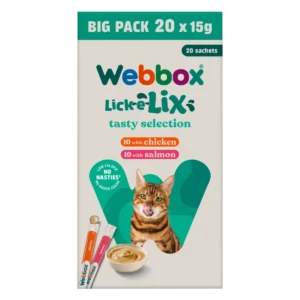
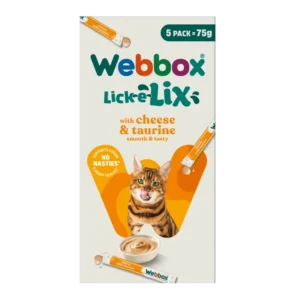
This helps give a general idea of the treat’s nutritional profile. For example, higher protein supports energy and muscle maintenance. Creamy treats like Webbox Lick-e-Lix tend to have higher moisture content, which may help maintain a cat’s hydration, support kidney health and manage weight, as cats have a low natural thirst drive and often rely on food for moisture. - Look at calories (energy content):
Calories are usually listed as kcal per treat, per serving, or per 100g.
This is important because treats should only make up a small part of your cat’s daily intake (around 10%).
– Lower-calorie treats are better for frequent rewarding or indoor cats
– Higher-calorie treats are best given more occasionally
Even small treats can add up quickly, so it’s worth checking this section, especially for indoor cats. - Check for additives and extras
You might see the word “additives” on pet food labels and assume it’s something to avoid. While it can include things like flavourings or preservatives, it also covers important nutritional additions such as vitamins, minerals and amino acids like taurine.
In many cases, these are included to help support your cat’s overall health, so it’s not always something negative, but something to understand. - Feeding guidelines
Feeding guidelines usually recommend the average amount of treats you can give your cat each day based on their weight.
These are a useful starting point, but they should be adjusted for your individual cat. Factors such as activity level, age, environment and overall diet can all affect how many treats are appropriate. It’s easy to give “just one more”, but those small extras can add up over time.
When certain cat treats should not be used
Even high-quality treats aren’t always appropriate in every situation.
- Overweight cats: Cats that are overweight or obese should only receive low-calorie treats and smaller portions but always check with your vet if they need to be on a special diet.
- Cats with medical conditions: cats with conditions such as diabetes, kidney disease or severe digestive issues may require veterinary guidance before introducing treats.
- Cats with food sensitivities: some cats react to dairy, certain proteins or artificial additives. In these cases, limited ingredient treats are often the safest option.
- When treats replace meals: Treats should never replace a complete and balanced diet.
Conclusion
Choosing the right cat treats comes down to a few key things: ingredients, calories, texture, flavour and purpose.
Look for treats with real meat or fish, keep an eye on calories and choose a texture that suits your cat’s needs, whether that’s crunchy for training, soft for older cats or creamy for bonding. It’s also important to match treats to your cat’s life stage, sensitivities and preferences.
Every cat is different, and their preferences can change over time. What they love one day might not be their favourite the next, so don’t be afraid to switch it up and try different options to see what works best.
At Webbox, we offer a wide range of cat treats designed for different needs and moments, making it easier to find the right option for your cat, whatever their taste or routine.
FAQs
Treats should make up no more than 10% of your cat’s daily calorie intake. The exact amount depends on your cat’s size, activity level and the calorie content of the treats, so it’s best to follow feeding guidelines and adjust if needed.
This can happen if treats are given too often or are more appealing than regular food. Reducing treat frequency and using them strategically (e.g. as a topper) can help rebalance their diet.
Small, low-calorie treats are best for training, as they can be given frequently without overfeeding. Crunchy treats are often ideal because they are easy to portion and quick to give during repeated behaviours.
Fussy cats often prefer treats with a strong smell and smooth texture, such as creamy or fish-based options. Using treats as a topper or offering them during calm, one-to-one moments can also help encourage interest.
Some treats are formulated to support digestion and may include ingredients such as fibre or prebiotics. Options like cat grass can also help support natural digestive processes and hairball management.
Yes, treats can be given daily as long as they are fed in moderation and form only a small part of your cat’s overall diet. It’s important to balance treats with a complete and nutritionally balanced main food.
Freeze-dried cat treats are generally considered a healthy option because they are typically made from single-ingredient, raw proteins (like chicken or salmon) without fillers, additives, or preservatives. The process retains most nutrients, vitamins, and minerals while offering high-protein, low-fat nutrition suitable for cats with allergies.






Related Articles
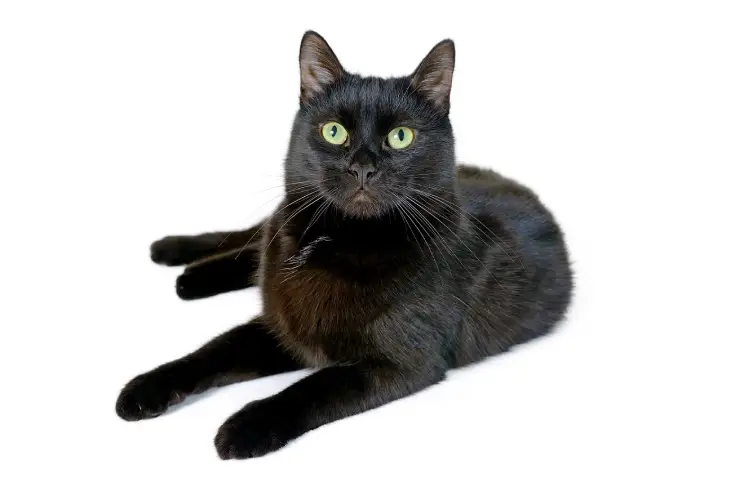
5 Pawsitively fascinating facts about black cats
Most commonly associated with Halloween, witchcraft and superstition, black cats have undoubtedly gained a bad rep over the years- despite being just as loveable as their more colourful cousins! With National Black Cat Day just around the corner, we decided to share some spell-binding facts about our feline friends. Facts about black cats 1. Black […]

How to Keep Your Pet Calm & Relaxed on Bonfire Night
Bonfire Night may be a fun time for us humans, but it can also be a stressful evening for our furry friends. As cats and dogs can both hear from far distances and can pick up high-frequency sounds, the sounds of loud fireworks will be incredibly distressing for them. That’s why you must take precautionary […]

Festive Pet Quiz: What’s your pet’s Christmas personality?
The Christmas season is in full swing, and as you deck the halls, hang your ornaments, and trim the tree, you may notice your furry friend getting into the holiday spirit too. From the mischievous tinsel-loving troublemaker to the cosy, content Christmas companion, every pet has its unique seasonal personality. Whether they’re causing a little […]

Shop for Dogs

Personalise your search:

Shop for Cats

Personalise your search:
Our Most Popular

Price range: £3.37 through £25.20
View Product
Price range: £0.85 through £10.20
View Product
Price range: £7.55 through £37.75
View Product
Price range: £2.75 through £19.99
View Product

Price range: £2.15 through £14.05
View Product

Price range: £0.75 through £8.25
View Product








Price range: £1.60 through £27.20
View Product