FREE Delivery when you spend over £40
 Sign up to our newsletter for exclusive discounts & offers

Can dogs eat bananas? The simple answer is yes, dogs can eat bananas. However, there are a few things to keep in mind, such as portion control, how often they have it, and not letting them eat the skin.
If your dog’s ever eyed up your mid-morning banana with that “share it or else” look, you’re not alone. Your pup’s pleading eyes probably make you go all gooey inside – but before you hand over a bite of banana, it’s worth asking: can dogs actually eat bananas?
The good news is, in most cases, yes. Bananas are a safe, healthy snack for dogs when served in moderation. They’re naturally sweet, full of good stuff like potassium and fibre, and easy to mash, slice or freeze when you need a tasty treat in a hurry. But too much of a good thing can occasionally lead to tummy troubles.
Let’s peel back the layers and find out exactly how to serve bananas to your pooch safely – and when it might be best to keep that fruity snack all to yourself.
Are Bananas Safe for Dogs?
Bananas are safe for most dogs, as long as they’re fed in small portions. They’re non-toxic, soft, and even vet-recommended in the right context. They can make a lovely low-fat treat if you want to add a little variety to your dog’s diet.
However, there are a few basics to bear in mind.
- Don’t let them eat the peel. Banana skin isn’t poisonous, but it’s tough to digest and can cause blockages.
- Portion control. Bananas are naturally sweet, which means they’re high in fructose. This isn’t good for your dog in large doses, so don’t let them have too much.
- Only offer them occasionally. Think of bananas as a small treat, not a significant part of your dog’s diet.
Also, if your dog has a health condition like diabetes, pancreatitis, or chronic digestive issues, always get your vet’s go-ahead before giving them bananas.
Just like people, different dogs can tolerate different foods. Some dogs will be able to stomach a few slices of banana without any issues. Other pups might feel bloated after a very small piece of banana. That’s why it’s best to introduce any new snack gradually.
Start with a single, small slice and wait a day or two before offering more. If you don’t see any signs of gas, diarrhoea, or a change in appetite, it’s probably OK to let them enjoy a banana-ey treat every now and then.
You should also keep an eye on portion sizes. It’s surprisingly easy to underestimate how many calories little treats add up to, especially if you share snacks during training.
Sticking to a clear routine (like offering only bananas on a certain day of the week) helps keep things balanced without your dog missing out.
Why Bananas Can Be Good for Dogs
Bananas actually offer a surprising mix of benefits and vitamins for your four-legged friend:
- Potassium supports heart and muscle function.
- Vitamin B6 gives their energy metabolism a little boost.
- Vitamin C helps strengthen their immune system.
- Fibre can help keep their digestion running smoothly.
- Bananas are low in calories and fat, making them a good alternative to some richer, shop-bought snacks.
In other words, bananas are nature’s simple, feel-good dog treat. They’re sweet enough to make your dog wag their tail, but wholesome enough to make you feel like a responsible pet parent.
Why not try mashing a tiny bit of banana into your dog’s next meal or offering a bite-sized slice during training? You might find that it quickly becomes their new favourite “good dog” reward.
Bananas can also be a handy tool when your dog’s feeling a little under the weather. The soft texture and gentle sweetness make them appealing to dogs who’ve gone off their usual food after minor illness or dental problems. A small spoonful might tempt them to eat again, but you should always check with your vet first.
Many dog owners find bananas useful for hiding medications. A small amount of mashed banana can help to mask the smell and taste of tablets, making them easier to give without fuss.
When Bananas Aren’t the Best Choice
Bananas are safe for dogs to eat, but they’re not suitable for every dog all the time.
Here’s when you might want to avoid giving them to your pup:
- Puppies. Little tummies are sensitive. A small nibble now and then is fine once they’re on solid food, but it’s best not to overdo it.
- Overweight dogs. Bananas contain natural sugar. If your dog’s watching their waistline, stick to lower-sugar treats like carrot sticks or cucumber chunks.
- Dogs with diabetes. The sugar in bananas could spike your diabetic dog’s sugar levels, so you should only feed them bananas if your vet says it’s OK.
- Sensitive stomachs. Too many bananas can give your dog gas or diarrhoea. Start small and monitor their reaction.
- Dogs with kidney or heart problems. The potassium in bananas might not agree with your dog, so it’s best to check with your vet.
What about if your dog steals a half-eaten banana from the kitchen worktop? Don’t panic – it’s not toxic. Just keep an eye out for any upset-tummy symptoms, like bloating or loose stools.
It’s also worth considering your dog’s overall diet. High-quality complete dog foods already provide balanced nutrition, so frequent fruit snacks aren’t a requirement. Occasional extras like bananas are fine, but they should remain a treat – not a replacement for your dog’s normal diet. If your dog doesn’t really like bananas, you may want to consider some alternative snacks or more meaty treats, such as Webbox tasty chicken sticks.
How Much Banana Can Dogs Eat?
Treats should only ever make up a maximum of 10 per cent of your dog’s daily calories, and that includes fruity treats like bananas.
Also, there’s no such thing as the average dog, so here’s a quick guide to what counts as “just enough” for differently sized dogs:
| Dog size | Example breeds | Safe portion |
| Toy (0 to 5kg) | Chihuahua, Pomeranian | 1-2 small slices |
| Small (5 to 10kg) | Dachshund, Jack Russell | About a quarter of a banana |
| Medium (10 to 25kg) | Cocker Spaniel, Beagle | About half a banana |
| Large (25 to 40kg) | Labrador, Retriever | Up to one small banana |
| Giant (40kg+) | Great Dane, Mastiff | One small to medium banana |
A few thin slices of banana every now and then is the perfect amount for most dogs.
And since most dogs inhale treats faster than you can blink, cutting them into small, manageable pieces reduces the risk of choking.
How to Serve Bananas Safely
There are plenty of pet-friendly ways to share banana snacks with your dog.
Here are some ideas to help you mix things up:
- Fresh slices: Plain and simple – easy to chew, low-mess, and easy on the tummy.
- Frozen bites: Pop a few slices in the freezer for a refreshing summer snack or soothing treat for teething pups.
- Mashed banana: Great for hiding pills or spreading inside a treat toy to make snack time last a little longer.
- Homemade bakes: Mix mashed banana with oats and dog-safe peanut butter (xylitol-free) to create quick doggie biscuits.
You can also blend banana with a splash of water or plain yoghurt to make a smooth puree – this is super handy for elderly dogs who have missing teeth or find it difficult to chew their food. You could just add a small spoonful on top of their regular food for a gentle flavour boost.
When it’s warm outside, you can whip up some banana “ice cream” for dogs. Just freeze chunks of banana, then blend until creamy. This is a great way to keep your dog cool while keeping sugar content under control. You can even serve it in lick mats or silicone moulds.
If you want to feed your dog some banana, always stick to plain, natural ingredients. Don’t be tempted to add honey, chocolate, or sweet toppings, as they can really harm your dog. And never use artificial sweeteners like xylitol, which are very toxic to dogs.
Signs Your Dog’s Had Too Much Banana
We all know dogs aren’t always the best when it comes to self-control. If they eat too much banana, you might notice:
- Runny poo or diarrhoea.
- Bloating or gas.
- Constipation (from too much fibre).
- Drowsiness or reluctance to eat their dinner.
Usually, these symptoms will get better on their own. But if your dog seems uncomfortable for more than a day (or you’re just worried), call your vet for advice.
It’s a good idea to monitor your dog’s poop after introducing any food. Consistency changes (too soft or too firm) can be early signs that their digestive system isn’t coping well. If you notice any changes, either reduce the amount of banana you give or stop giving them bananas altogether.
Don’t forget that each dog will have its own limit. A small Labrador might happily scoff half a banana, while a tiny Yorkie could get an upset tummy from just a couple of thin slices.
Fun Banana Treat Ideas for Dogs
It’s easy to transform bananas into dog-friendly delights:
- Banana pops: Blend banana with a splash of water or natural yoghurt, then freeze in silicone moulds.
- Peanut-banana minis: Slice a banana into thin coins and sandwich two together with a little bit of xylitol-free peanut butter.
- DIY trail mix: Mix tiny bits of banana with dog-safe fruit like blueberries or apple slices.
- Dog toy filler: Mash banana with plain yoghurt or pumpkin puree, spoon into your dog’s favourite toy, and freeze.
If your dog loves crunchy treats, you can dehydrate banana slices in the oven. Bake thin rounds at a low temperature for two to three hours until crisp. Homemade banana chips will keep for a few days in an airtight container, and they’re great for training treats.
You can also combine small bits of banana with rolled oats and a drizzle of dog-safe peanut butter to make mini “energy bites”. Roll into marble-sized balls and refrigerate until firm to create a wholesome on-the-go dog treat.
And if your dog’s birthday is coming up, mashed banana makes the perfect natural icing for a homemade pupcake!
Final Thoughts
Most healthy dogs can eat bananas, and yours will probably be very happy to help you finish one. They’re naturally sweet, full of nutrients, and easy to prepare as a quick snack. Just remember that moderation is key. A little goes a long way.
Next time those puppy-dog eyes appear, you can safely share a little bit of your banana, as long as your dog doesn’t have any underlying health problems.
Searching for ways to make your dog’s treat time extra rewarding? Check out Webbox’s selection of tasty dog treats today.
FAQs
It’s best to avoid letting your dog eat banana peels. They’re fibrous and tough to digest, which can cause stomach aches or blockages.
Only plain, unsweetened ones, and even then, keep portions tiny. Shop-bought banana chips are often fried or coated in sugar, which makes them unsuitable for your dog.
Yes, in moderation. Soft fruit is gentle on teeth, but watch out for sugar-related conditions like diabetes or kidney issues.
It depends on the recipe. Most banana bread contains sugar, butter, or even chocolate chips – none of which are dog-friendly. Stick with a plain banana instead.
A small sliver of banana is fine once puppies are fully weaned and eating regular solid food. But it’s not essential. Their main nutrition should come from a complete puppy diet.
A few slices, one or two times a week, is plenty. Any more, and you risk upsetting their digestive balance.
Ripe bananas are softer and easier for your dog to digest. Unripe ones are firmer and contain more resistant starch, which can be harder on the stomach. It’s best to stick to bright yellow bananas for your dog.
Though rare, banana allergies can happen. Symptoms include itching, swelling around the mouth, sneezing, or tummy troubles. If you notice these signs, don’t feed them any more bananas and contact your vet immediately.




Related Articles

Best Pet Halloween Costume Ideas 2026 & Safety Tips for Dogs
Halloween is right around the corner and there’s nothing we love more than having our pets join us in the spooky season! We’re here with all the inspiration and tips to ensure your dog is happy and terrifyingly cute this Halloween. Is it safe to dress your dog up for Halloween? Yes, as long as the […]

Can Dogs Eat Pumpkin? The Autumn Superfood Explained (Plus Fun Ways to Serve It)
Pumpkins are everywhere in autumn, and it’s not just for carving. If you’ve wondered whether your dog can safely eat it, the short answer is yes. Plain, cooked or canned pumpkin is safe for most dogs and can genuinely support their health, thanks to its fibre content and a useful dose of vitamins A, C […]

Can Dogs Eat Sweet Potatoes? Raw vs Cooked & Portion Guide
You might be wondering whether your dog can eat sweet potatoes. Generally speaking, yes, most dogs can eat sweet potatoes. When they’re cooked plain and fed in sensible portions, sweet potatoes can be a really useful, dog-friendly carbohydrate source. Your dog may like the texture and subtly sweet taste of this vitamin-enriched spud. However, raw […]

Shop for Dogs

Personalise your search:

Shop for Cats

Personalise your search:
Our Most Popular

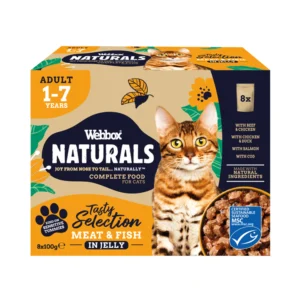
Price range: £3.37 through £25.20
View Product
Price range: £0.85 through £10.20
View Product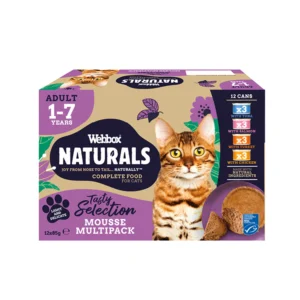
Price range: £7.55 through £37.75
View Product
Price range: £2.75 through £19.99
View Product

Price range: £2.15 through £14.05
View Product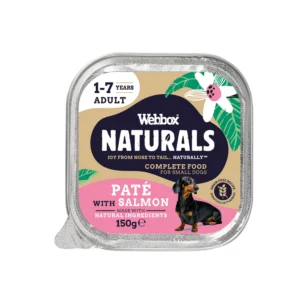

Price range: £0.75 through £8.25
View Product











Price range: £1.60 through £27.20
View Product