FREE Delivery when you spend over £40
 Sign up to our newsletter for exclusive discounts & offers
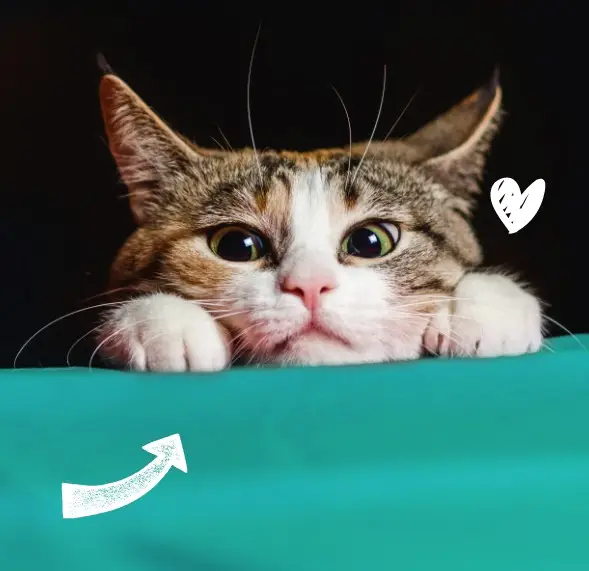
We all love to spoil our cats. But beneath that cute fluffiness sits a fussy little food critic, who’s ready to judge every treat you offer. If you’re unsure which is best, soft Vs crunchy cat treats, you’re in the right place. This guide will help you understand which is best, so you can pick something that will keep them purring with happiness again and again.
Introduction
Cats might be small, but they sure have big opinions on things – especially when it comes to treats. Get the flavour or texture wrong, and you’ll be given a blank stare as if to say, ‘Why have you bothered giving me this?’. Every cat has their own tastes in treats – and your cat is no different, so there’s never a one‑size‑fits‑all.
Luckily, there are so many different types of cat treats available to buy, but a question comes to mind: soft Vs crunchy cat treats – which are best? Well, that all depends on your cat’s favourite flavours and textures. Also, bear in mind the age of your cat and any health or dental issues they might have. Read on to learn how to choose a treat your little fusspot will actually approve of.
Are soft or crunchy treats best for cats?
The right choice of cat treat all depends on your cat’s age, health and lifestyle. We’ve created a quick guide to help you choose:
- Kittens (up to 12 months) – Soft treats are usually best for little ones, as they’re easy to portion and gentle on mouths and small tummies. Remember, kittens must be around 8-12 weeks old, fully weaned and eating solid food before they try treats.
- Adult Cats (1–6 years old) – Once cats have reached adulthood, crunchy treats are great if they enjoy a snap, but some may still prefer soft treats. Also, think about what flavours they usually love – do they like a mix of everything, or strictly meat or fish?
- Senior Cats (Age 7+)- Soft treats are a great snack for golden oldies in their twilight years, especially if they have dental problems or their teeth aren’t quite what they used to be!
- Fussy Cats – Opt for treats with a strong, smelly aroma. These are usually great at winning over picky cats.
- Indoor Cats – Indoor cats need more mental stimulation than outdoor cats, so it’s worth trying some dry, crunchy treats that work well in feeding puzzles and toys.
- Outdoor Cats – Active felines are likely to enjoy more of a crunch after a busy day exploring. But again, this all comes down to flavour and texture preferences.
Which treats do cats love the most?
Remember, your cat has their own likes and dislikes when it comes to food and treats. So, grab a couple of different treat styles below and see which one gets that tell‑tale nose twitch and enthusiastic munch.
- Meat and fishy flavours: Most cats can’t resist strong meat or fishy aromas that waft through the house. Think along the lines of chicken, beef, salmon and tuna – the smellier, the better!
- Soft and lickable treats: These are an easy, non-pressured way for cats to try something different. They’re normally attracted to the strong smell of these treats and are often a hit with picky cats or those with dental issues.
- Crunchy bites: Ideal for those cats who love nothing more than a satisfying crunch at treat time. Need some crunchy treat inspiration? Pocketfuls are a small treat packed with big love – crunchy on the outside, mmmm on the inside.
- Chewy treats: If your cat likes soft and chewy, treats like Tasty Sticks are a great middle ground.
- Freeze-dried lollipops: Great for full-on meat or fish flavours, these have an element of crunch, but your cat can also lick and soften them before getting stuck in.
How to introduce your cat to new treats: a step-by-step guide
Discovered a new kind of soft or crunchy treat that you think your cat will love? Follow our simple steps below for a slow and gentle introduction that will hopefully win them over!
- Pick the right moment
Timing is everything, so make sure you offer the new treat when your cat is feeling relaxed and calm. Mid zoomies, during excitable playful periods or moments of stress, is not a good starting point.
- Start off small
When it comes to dishing out new treats, begin by offering a very small portion of a sachet, one small nibble, or if it’s a chewy treat, snap a little off. This makes things feel less overwhelming, especially for cautious kitties.
- Let them investigate
Place the treat down near your cat and let them suss it out in their own time. They’ll probably take a few moments to approach it, so don’t force it.
- See how they react
Your cat has all sorts of ways of showing you how they feel about a new treat. They might strut over and give it a sniff, a lick, or a nibble. They may then decide to wolf it down or choose to simply walk away.
- Be patient
If your cat walks away from the treat, try not to be disheartened. Try the treat another day and see if your cat has changed their mind. Don’t push things, as this is likely to cause frustration on both sides!
- Mix things up
Give the treat another go in a couple of days. It may be worth offering the treat at a different time and in a different area of your house. If it’s a dry cat treat, why not use a puzzle feeder to pique a bit of curiosity?
- Know when to quit
If you’ve tried the new treat on a few different occasions but had zero success, know when to stop. If you have a friend or family member with a cat, gift them the treats so that they’re not wasted.
FAQs/People Also Ask..
Soft, moist treats are the best option for cats with few teeth or no teeth at all, as they’re easy to lick and enjoy. Elderly cats lacking teeth or those with dental issues may find it difficult to eat crunchy snacks, as it’s often painful – especially for cats with tender gums. Keep your eyes peeled for soft, low-effort treats that don’t require chewing like Lick-e-Soups or creamy options that pack plenty of flavour. If you’re unsure what treats to try, take some time to observe your cat’s eating habits or chat to your vet.
Yes, but only when they are 6–8 weeks old, completely weaned, and eating solid food. Soft treats are best, as they’re nice and gentle for little mouths and tummies, but some crunchy snacks are kitten-friendly. Remember, kittens have much smaller stomachs than adult cats, so portions should be kept small. Always check the feeding guidelines on the packaging for serving suggestions.
Many cats love a crunchy treat, but whether they’re good for your cat depends on the type of treats you buy. Webbox’s Pocketfuls are a yummy, flavoursome treat which includes an added essential cat nutrient, taurine. They’re also enriched with Vitamin A, D & E, which supports general wellbeing, like eye health and immune function, while also contributing to healthy skin and a lovely shiny coat. Two textures, twice the meow. Little pockets, big PURR-mission granted.
Here at Webbox, we offer a massive range of soft and crunchy cat treats, with something that even the most demanding of kitties will enjoy. We’ve got everything from Lick-e-Lix and Lick-e-Pops, to tasty sticks and Pocketfuls – the treat that will take your cat from crunch to mmmm, again and again. Which will you choose?
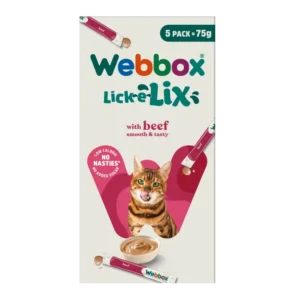
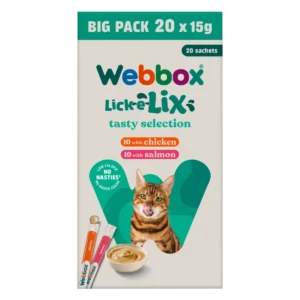
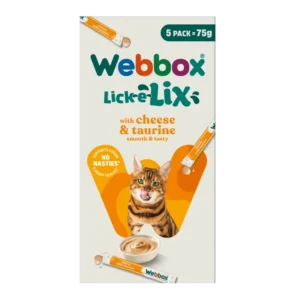
There’s a good chance you’re thinking of Lick-e-Lix! Cats find these creamy, yoghurt-style treats irresistible – and for good reason! They come in all kinds of flavours, including chicken, salmon, beef, catnip, and milk and yoghurt. They’re super lickable and are perfect for adding some extra flavour to dry food, given as a training reward, or served straight from the sachet.
We know, we know. It’s hard to say no to your meowing fluff ball, but treats are best served in moderation, and should never exceed more than 10% of your cat’s daily calories. You’ll also need to reduce their food by the same amount to ensure they’re not overeating. Overindulging in too many treats and food in the long run will see your once trim kitty pile on the pounds. Not only that, but obesity can also lead to health conditions like diabetes and issues with joints.
If your cat normally has a healthy appetite but has suddenly stopped eating or lost weight, it’s important to make an appointment to see your vet. Yes, cats are known to be fussy eaters, but weight loss and a lack of appetite could suggest a health issue. It’s always best to get your cat checked out to be on the safe side.
Conclusion
The best treat for your cat comes down to a few things – their personality, preferences and age. It’s worth trialling a few different flavours and textures to find the right kind of treat, especially if they’re a fussy feline. Give it a bit of time and be patient. You never know, you might just be rewarded with some cute chirps, some little tail shakes, or that gorgeous blissed-out face cats have when they’re content.
Need a bit of soft and crunchy cat treat inspo? We’ve got you! Check out the full range of tasty Webbox cat treats and find a new favourite today!




Related Articles

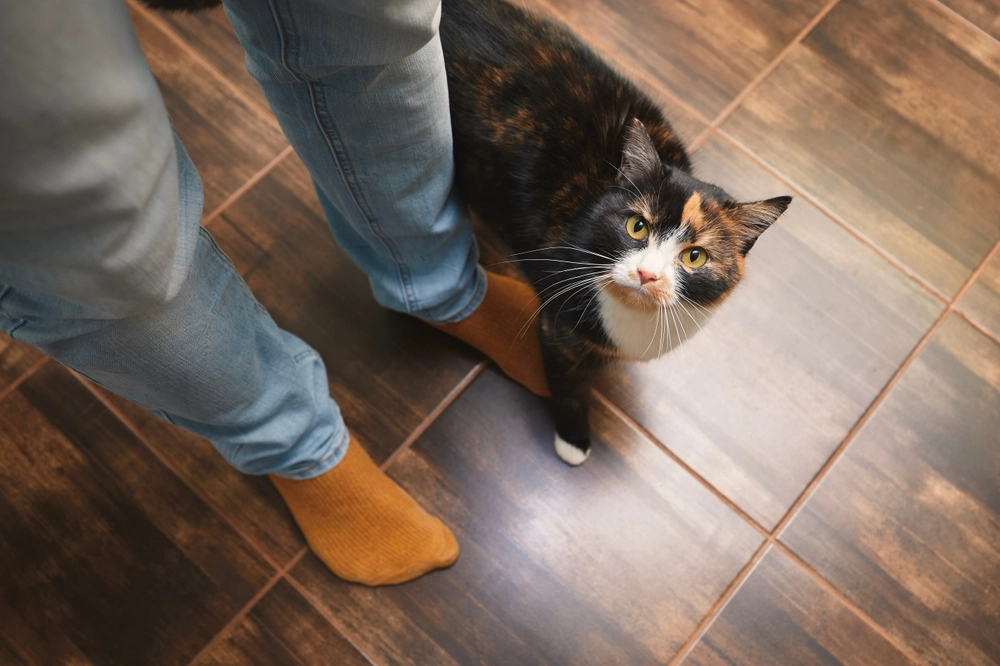
Do Cats Fight Over Treats? How to Manage Treat Time in a Multi-Cat Home
Treat time should be one of the easy, happy moments in a multi-cat household. But for a lot of owners, it’s actually when the hissing starts. If your cats stare each other down over a sachet of Lick-e-Lix or one cat always seems to end up with the lion’s share, you’re not imagining it, and […]
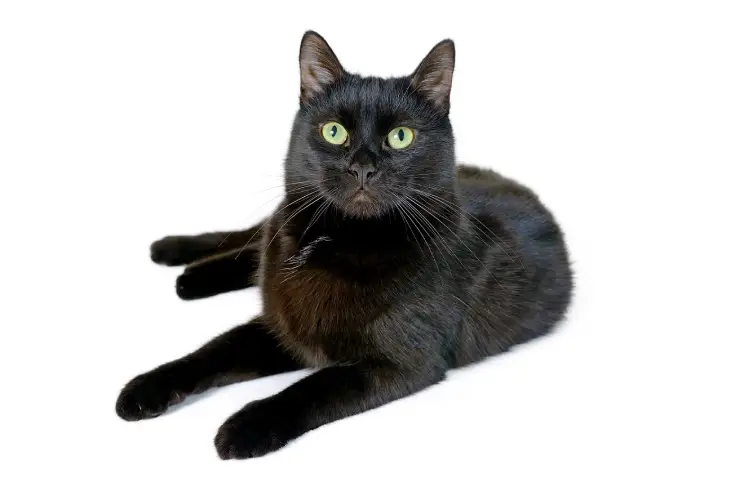
5 Pawsitively fascinating facts about black cats
Most commonly associated with Halloween, witchcraft and superstition, black cats have undoubtedly gained a bad rep over the years- despite being just as loveable as their more colourful cousins! With National Black Cat Day just around the corner, we decided to share some spell-binding facts about our feline friends. Facts about black cats 1. Black […]

How to Keep Your Pet Calm & Relaxed on Bonfire Night
Bonfire Night may be a fun time for us humans, but it can also be a stressful evening for our furry friends. As cats and dogs can both hear from far distances and can pick up high-frequency sounds, the sounds of loud fireworks will be incredibly distressing for them. That’s why you must take precautionary […]

Shop for Dogs

Personalise your search:

Shop for Cats

Personalise your search:
Our Most Popular

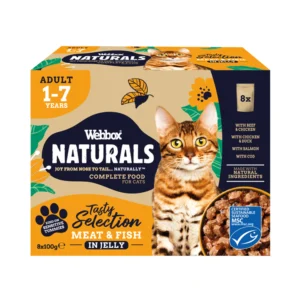
Price range: £3.37 through £25.20
View Product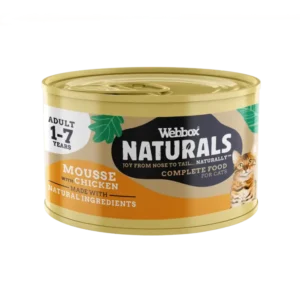
Price range: £0.85 through £10.20
View Product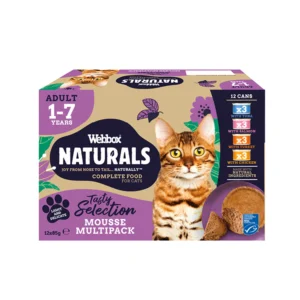
Price range: £7.55 through £37.75
View Product
Price range: £2.75 through £19.99
View Product

Price range: £2.15 through £14.05
View Product

Price range: £0.75 through £8.25
View Product








Price range: £1.60 through £27.20
View Product