FREE Delivery when you spend over £40
 Sign up to our newsletter for exclusive discounts & offers
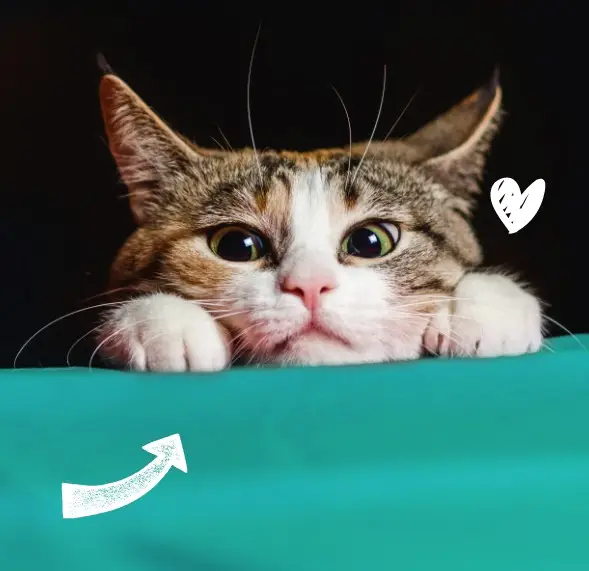
Working from home has its perks, but any cat owner will tell you that it also comes with a very specific set of challenges. Their tail sweeping across the camera mid-way-through your virtual meeting? A paw firmly landing on your key-board mid-email? If that sounds familiar, you’re definitely not alone.
While these moments are part of what makes living with cats so entertaining, they can also interrupt focus, delay deadlines and turn video calls into unexpected cameos. Webbox surveyed 297 UK cat owners about their experiences of working from home with cats. Let’s take a look at how these pet owners are surviving remote work with their cats (and find out if your cat is a Silent Creeper or a Zoom Zoomer).
Why do cats sit on keyboards and work spaces?
Cats sit on keyboards because they seek warmth, attention, and proximity to their owner’s scent. Cats rely heavily on scent marking and environmental familiarity to feel secure. Sitting on a keyboard or notebook is often a way for your cat to stay close to you.
Want to know something even more adorable? Whilst you’re sitting still, focusing intensely and moving your hands in repetitive patterns (aka. typing long emails), your cat thinks it’s play time. To a cat, this combination can resemble prey behaviour or signal that you are playing a game – they just want to join in!
So, we’ve learnt that these behaviours are just natural curiosity, which is why many owners don’t try to stop the behaviour entirely, they redirect it.
Cats aren’t just co-workers – they influence the workday
According to our survey, 65% of remote workers now report that their cat is their “primary colleague.” Comically, 12% of people admit to actually asking their cat for “professional advice”.
However, and I’m sure your cat will agree, “colleague” might be too soft of a word. Nearly 40% of UK cat owners say their cat influences their work schedule. Whether it’s a demand for attention at 11:00 AM or the insistence that your lap is the only place to sleep during a meeting, our cats have a significant vote in how our day goes.
So really, it’s not about stopping these disruptions – it’s about how we handle them!
The most common cat disruption types (and the tactics that work)
Although every cat is unique, our survey revealed a few patterns when it comes to workday disruption. Recognising the type of co-worker you’re dealing with makes it much easier to choose the right tactic.
- The silent creeper: These are the cats often described as “affectionate on their terms.”
The problem: Quiet hovering, intense staring and sudden appearances on the desk without warning.
The tactic: Occasional head-pats, cat perches and window spots to let them supervise from a distance without invading the keyboard.
- The very needy: Classified by 17.5% of our survey as needing “constant attention.”
The problem: Constant attention-seeking, hands-on-keyboard interruptions and laptops being physically blocked.
The tactic: Desktop decoys placed directly beside the workspace, scheduled play sessions before meetings and treat-dispensing puzzle toys that encourage independent activity.
- The zoom zoomer: 10% of cats fall into this “high-energy” category.
The problem: They zoom across desks at lightning speed and knocking equipment mid-task. These cats are playful, excitable and unpredictable.
The tactic: High-energy play before work starts, laser or wand toys and designated play zones away from the workspace to burn off excess energy.
Want your cat to stop sitting on your keyboard? Try a desktop decoy.
The desktop decoy is literally placing a cardboard box (a typical cat-favourite) or an old, non-functional laptop beside your actual computer. This one is GENIUS for working from home with cats. You’re essentially tricking your cat to sit on the decoy, leaving your real, working (and expensive) laptop fur-free.
The effectiveness of desktop decoys is rooted in mirroring behaviour. Cats often want to engage in the same activity as their humans. If you are sitting still and focusing on an object, your cat is naturally inclined to do the same. By offering a decoy surface, owners satisfy this instinct without sacrificing productivity. A cardboard box is a great decoy, but if your co-worker needs more stimulation, why not get them an interactive cat laptop toy – it’s their own dedicated space to scratch and engage!
How UK cat owners are redesigning their home offices
The most wholesome finding in our study was just how much we are willing to adapt our homes to accommodate our pets. 100% of respondents admitted to changing their homes in some way to make it better for their cat whilst working from home. In 2026, we’ve moved past simple pet beds.
- Environmental shifts: Owners aren’t just buying toys, 48% have created specific window perches or lookout spots for their cats, as we know cats are the nosiest neighbours around – they love watching outdoor life (and it’ll redirect attention away from your desk).
- The decoy connection: 75% have installed scratching posts or climbing areas. It’s a tactical diversion, diverting feline traffic away from the keyboard.
- Bespoke modifications: Some tactics go beyond the standard cat tree. One respondent reported building a “permanent tent” on their bed using blankets, while another installed a custom set of stairs just so their cat could reach its preferred position more easily.
Treats, reinforcement and buying uninterrupted focus
We found that 34% of respondents admitted they spend more on cat treats and toys than their own small luxuries!
Treat puzzles, timed rewards and positive reinforcement are often used during meetings or deep-focus tasks. Their calm, independent behaviour is rewarded and we’re sneakily teaching our cats that staying occupied means yummy treats and new toys.
Lickable treats is one of those things that has become a pretty effective tool during the workday. Webbox Lick-e-Lix are often used to keep cats engaged for longer periods, whether offered directly, spread on a lick mat or frozen for extended enrichment. The slow, repetitive action of licking can be calming for cats, making it ideal during calls or when focus is super important.
Cat toys can also be used as another secret trick to keeping your cat occupied! Many owners rotate the toys so there always seems like something new to play with and interactive and enrichment toys can help encourage independent play. If you do this regularly, this predictable routine will benefit both you and your cat.
Senior cats still disrupt working from home
A common misconception is that once a cat reaches their senior years (aged 11+), they will simply spend the day sleeping. While they certainly appreciate a good nap, our data tells a different story.
36% of senior cats in our survey are still described by their owners as playful or even high-energy. Far from “retiring” from office life, these senior cats remain active and engaged members of the team.
Softer play, predictable routines and comfortable resting spots near desks help senior cats stay settled without constant interruption. Consistency is particularly important for older cats. Familiar enrichment and scheduled interaction allow them to remain engaged without needing to be involved in every task.
Creating harmony in a shared workspace
Working from home with cats isn’t about eliminating disruption entirely, it’s about managing it effectively. According to data sourced from the Webbox UK cat owner survey 2026, owners are using desktop decoys, redesigned spaces, enrichment and a consistent routine to create balance. Setting aside ten minutes for focused play or feeding before you log on satisfies their needs early.
These tactics protect productivity while meeting a cat’s need for attention, stimulation and proximity. Boredom and under stimulation are widely recognised contributors to behavioural issues in indoor cats. By using cognitive enrichment, you aren’t just saving your keyboard, you’re protecting your productivity while supporting their mental well being.
We modify our homes and share our desks because our cats make the workday just that bit brighter. They’re a permanent part of the home office and most owners wouldn’t trade that for a quieter desk – including us.




Related Articles
5 Pawsitively fascinating facts about black cats
Most commonly associated with Halloween, witchcraft and superstition, black cats have undoubtedly gained a bad rep over the years- despite being just as loveable as their more colourful cousins! With National Black Cat Day just around the corner, we decided to share some spell-binding facts about our feline friends. Facts about black cats 1. Black […]

How to Keep Your Pet Calm & Relaxed on Bonfire Night
Bonfire Night may be a fun time for us humans, but it can also be a stressful evening for our furry friends. As cats and dogs can both hear from far distances and can pick up high-frequency sounds, the sounds of loud fireworks will be incredibly distressing for them. That’s why you must take precautionary […]

Festive Pet Quiz: What’s your pet’s Christmas personality?
The Christmas season is in full swing, and as you deck the halls, hang your ornaments, and trim the tree, you may notice your furry friend getting into the holiday spirit too. From the mischievous tinsel-loving troublemaker to the cosy, content Christmas companion, every pet has its unique seasonal personality. Whether they’re causing a little […]

Shop for Dogs

Personalise your search:

Shop for Cats

Personalise your search:
Our Most Popular


Price range: £3.75 through £28.00
View Product
Price range: £0.85 through £10.20
View Product
Price range: £7.55 through £37.75
View Product
Price range: £3.00 through £21.00
View Product

Price range: £2.15 through £15.00
View Product


Price range: £0.75 through £8.25
View Product











Price range: £1.60 through £27.20
View Product