FREE Delivery when you spend over £40
 Sign up to our newsletter for exclusive discounts & offers
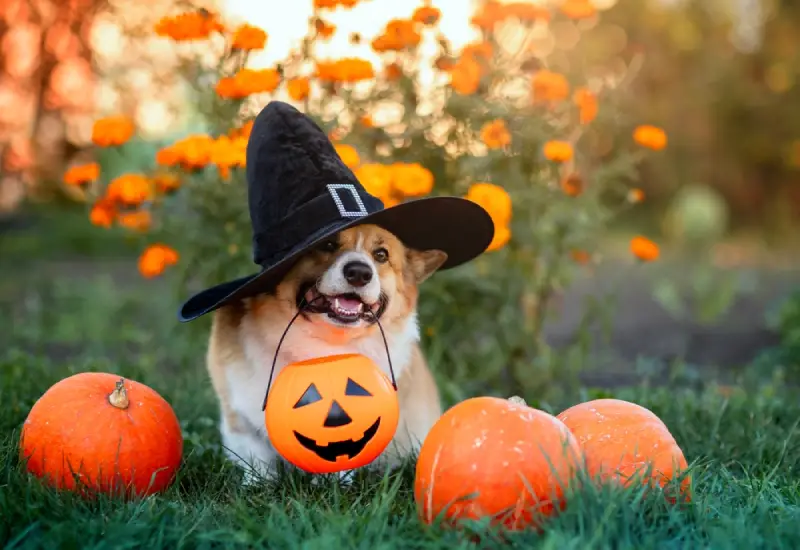
Halloween is right around the corner and there’s nothing we love more than having our pets join us in the spooky season! We’re here with all the inspiration and tips to ensure your dog is happy and terrifyingly cute this Halloween.
Is it safe to dress your dog up for Halloween? Yes, as long as the costume or outfit fits properly, doesn’t restrict movement, breathing or sight, and your dog seems genuinely comfortable wearing it. Not every dog will enjoy a costume, and that’s fine too, a Halloween-themed bandana or collar works just as well.
Halloween costumes for pets are a fun way to include them in celebrations, such as trick or treating (of course, only dog treats and no chocolate for them). There are plenty of great costumes that are spook-tacular and utterly adorable too.
1. Getting creative with your pet’s halloween costume
How do you start to pick a Halloween costume? There’s so much choice for Halloween costumes and it can be hard to pick. We’ve chosen some of our favourite outfits to give you some inspiration.
You can’t go wrong with the classics; a white sheet to make a ghost, bat wings, a pumpkin jumper or a Dracula cape. They’re sure to be on theme and they are classics for a reason.
Pop culture references also make great and creative costumes. We all loved Superdog’s appearance in this year’s Superman movie – red cape can perfectly transform your dog into a hero’s loyal sidekick.
If you’re thinking of a duo costume, then look no further than this Scooby-Doo inspired costume. A twist on the usual Shaggy and Scooby duo, we love this Mystery Machine dog costume and the added Scooby Doo onesie for you makes it the best duo costume this Halloween, in our opinion.
There’s also nothing we love more than a good pun, and a hot dog costume is the perfect punny dog costume in our eyes!
Dress to Impress: Pet Halloween Costume Inspiration
Scooby-Doo! Onesie | Onesies for Men | Mens Onesie Brown Large : Amazon.co.uk: Fashion
Pupkin – Pets at Home Halloween Pumpkin Dog Costume Multi Coloured | Pets
2. Train your dog to wear the costume safely
Use positive reinforcement to help your dog feel more comfortable with the costume and have positive associations with wearing the outfit. Leaving the costume out and rewarding your dog for sniffing it is a good way to get your dog used to the outfit.
We recommend to go slow when putting the outfit on and try to go in stages to get them more comfortable with wearing parts of it. You can then start building up the amount of time your dog wears their costume starting with brief intervals and increasing the duration over time.
Our Webbox Lickies Tasty Licks are a great training reward to build bonds with your pet and promote positive experiences.
3. Make sure your dog is comfortable
Costumes shouldn’t be uncomfortable for your dog and therefore should not restrict their movement or hurt them in any way. Check the costume fits and you can comfortably slip your fingers between the costume and your dog especially around neck and legs. Avoid placing anything restrictive over and around their mouth and eyes to prevent discomfort. If your pet seems stressed or uncomfortable then the outfit should be removed. Halloween costumes are supposed to be fun and if your pet isn’t having fun then don’t force the outfit. A Halloween themed harness, collar or bowtie will also do the job if you still want to get them in the spooky spirit.
Also consider what you are wearing and how your dog feels towards your outfit. Halloween outfits can be frightening to dogs, especially as they don’t understand. We recommend trying on your outfit a few days before Halloween to make sure your dog isn’t scared. If your dog does get anxious around outfits, then you might want to let the trick or treaters come to you and avoid taking your dog out around lots of scary costumes. Make a safe place for your dog where they won’t have to see trick-or-treaters and become stressed.
Our Webbox Tuffies Milky Bone can help keep dogs calm by focusing their attention onto chewing, an activity they love and has a calming effect on their nervous system through the release of endorphins.
Halloween also brings extra hazards worth keeping in mind alongside the costume itself. Chocolate, sweets containing xylitol and raisins are all toxic to dogs, so keep the trick-or-treat bowl well out of paws’ reach. If you think your dog has eaten something they shouldn’t have, contact your vet straight away.
4. Enjoy Halloween with your furry friend!
Now you have the perfect costume, and your dog is happy and comfortable, you can enjoy all of the spooky activities with your best friend by your side!
Remember to supervise your costumed dog so you can quickly intervene if necessary.
Tag us on Instagram (@WebboxPetFood) so we can see your spooky side kick in action.
FAQs
Don’t force it. Some dogs simply don’t enjoy being dressed up, and that’s completely normal. A Halloween-themed bandana, collar or bowtie lets them join in without any of the fuss.
Watch for signs like pinned-back ears, a tucked tail, lip licking, yawning, panting or trying to remove the outfit with their paws or teeth. If you spot these, take the costume off.
Only if your dog is generally confident around strangers, other dogs and loud noises. Halloween brings a lot of unfamiliar sights and sounds, so keep them on a lead, stay close to home and watch for signs they’ve had enough.
It’s best to keep costume-wearing sessions relatively short and always supervised. Take it off for meals, toilet breaks and rest, and remove it straight away if your dog seems too hot, itchy or unsettled.



Related Articles
Can Dogs Eat Pumpkin? The Autumn Superfood Explained (Plus Fun Ways to Serve It)
Pumpkins are everywhere in autumn, and it’s not just for carving. If you’ve wondered whether your dog can safely eat it, the short answer is yes. Plain, cooked or canned pumpkin is safe for most dogs and can genuinely support their health, thanks to its fibre content and a useful dose of vitamins A, C […]
Can Dogs Eat Sweet Potatoes? Raw vs Cooked & Portion Guide
You might be wondering whether your dog can eat sweet potatoes. Generally speaking, yes, most dogs can eat sweet potatoes. When they’re cooked plain and fed in sensible portions, sweet potatoes can be a really useful, dog-friendly carbohydrate source. Your dog may like the texture and subtly sweet taste of this vitamin-enriched spud. However, raw […]
How to Keep Your Pet Calm & Relaxed on Bonfire Night
Bonfire Night may be a fun time for us humans, but it can also be a stressful evening for our furry friends. As cats and dogs can both hear from far distances and can pick up high-frequency sounds, the sounds of loud fireworks will be incredibly distressing for them. That’s why you must take precautionary […]

Shop for Dogs

Personalise your search:

Shop for Cats

Personalise your search:
Our Most Popular

Price range: £3.37 through £25.20
View Product
Price range: £0.85 through £10.20
View Product
Price range: £7.55 through £37.75
View Product
Price range: £2.75 through £19.99
View Product

Price range: £2.15 through £14.05
View Product

Price range: £0.75 through £8.25
View Product











Price range: £1.60 through £27.20
View Product