FREE Delivery when you spend over £40
 Sign up to our newsletter for exclusive discounts & offers

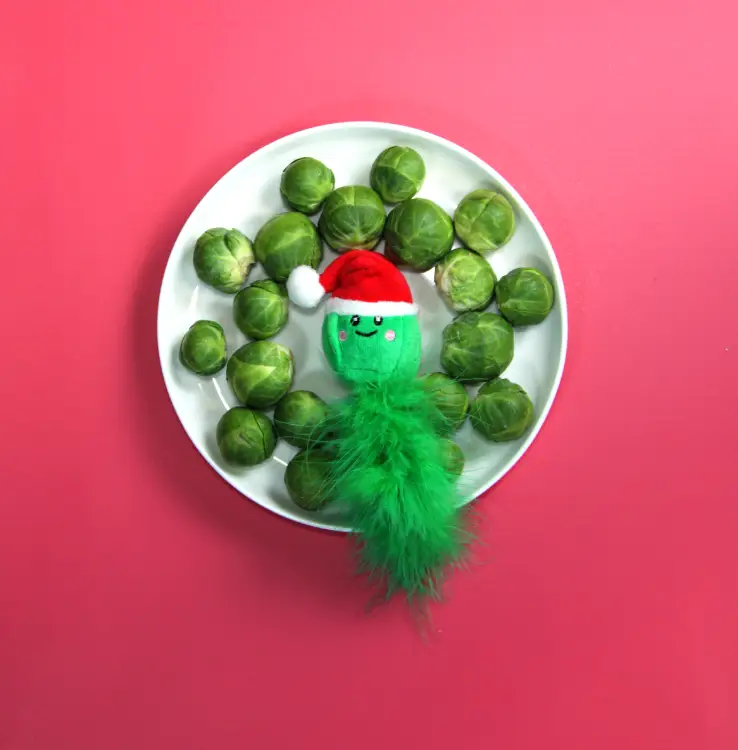
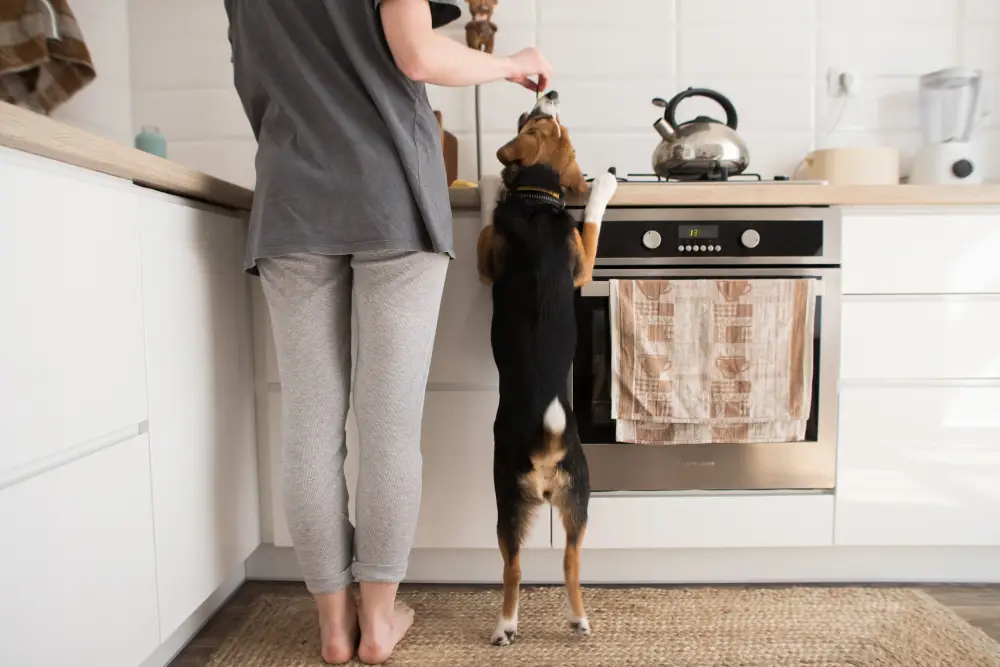
Christmas dinner is ready, and your dog has already claimed the best seat for spotting a runaway roast potato. Although some plain festive foods can be shared in moderation, others should stay firmly off their plate.
From turkey and vegetables to gravy, stuffing and cooked bones, we’ll separate the nice-list nibbles from the foods to avoid. We’ll also show you how to build a simple dog-friendly Christmas plate of their own!
Can Dogs Eat Christmas Dinner?
Dogs can enjoy a few selected parts of Christmas dinner, but they should not be given a full serving from the family table. A small amount of plain, skinless and boneless turkey may be suitable, along with certain vegetables prepared without butter, salt, seasoning or sauces.
The safest approach is to set your dog’s portion aside before the festive extras are added. Gravy, stuffing, pigs in blankets and cooked bones should all stay off their plate, no matter how convincing their Christmas dinner face may be.
Christmas Foods That Stay Off the Dog’s Plate
Some festive foods are simply too rich or salty for dogs, while others can be toxic or cause serious injury. Keep the following away from their bowl.
Gravy, Stuffing and Sauces
Gravy, stuffing and festive sauces may contain onion, garlic, leeks, salt, fat or other unsuitable ingredients.
Cranberry sauce is usually high in sugar, while mint sauce may contain added sugar, salt and vinegar. Recipes vary, so the safest option is to leave both off your dog’s Christmas plate rather than trying to check every spoonful.
Yorkshire Puddings, Pigs in Blankets and Rich Trimmings
Yorkshire puddings, pigs in blankets, bacon, sausages, meat skin and fatty leftovers can quickly turn a small festive treat into an overly rich meal. They may also be high in fat or salt, so keep them on the human table and stick to the plain additions on your dog’s festive plate.
Cooked Bones
Never give your dog cooked turkey, chicken or lamb bones. They can splinter, cause choking or damage the digestive system. Clear plates promptly and place the carcass in a secure bin before your dog volunteers for clean-up duty.
Onion, Garlic, Leeks and Chives
Onion, garlic, leeks and chives are toxic to dogs and may appear in cooked or uncooked foods. They can also be hidden in gravy, stuffing, stock and sauces, so check the full recipe.
Chocolate, Grapes and Dried Fruit
Chocolate, grapes, raisins, currants and sultanas are toxic to dogs. Keep Christmas cake, Christmas pudding, mince pies, chocolate decorations and selection boxes safely out of reach.
Alcohol and Xylitol
Alcohol should never be given to dogs, including in desserts and sauces. Xylitol, a sweetener used in some sugar-free sweets and baked goods, is also extremely toxic.
The plate rule: If a food contains a toxic ingredient, there is no safe festive nibble. Keep it completely out of reach and contact your vet immediately if your dog eats it.
Build Your Dog’s Christmas Dinner Plate
The secret to a dog-friendly Christmas dinner is simple: set aside their ingredients before the butter, glaze, gravy and seasoning appear. Here are the nice-list nibbles that could earn a place in their festive bowl.
1. Meat and Fish: Plain, Lean and Boneless
A small amount of plain, thoroughly cooked meat or fish may be suitable, depending on your dog’s health, allergies and usual diet. Options may include:
- Turkey: Serve plain white meat with the skin and every bone removed.
- Chicken: Choose plain, skinless and boneless chicken breast.
- Lamb: Remove the bones, string and visible fat.
- Salmon: Serve cooked, boneless and unseasoned. Avoid smoked salmon because it is high in salt.
Whichever option you choose, keep it free from gravy, stuffing, marinades, seasoning and cooking fat.
The plate rule: Keep meat and fish lean, plain and completely free from bones. If it has been glazed, stuffed, wrapped in bacon or covered in gravy, leave it off their plate.
2. Vegetables: Keep Them Plain
Carrots, parsnips, green beans, Brussels sprouts, broccoli, peas and cauliflower may be suitable in moderation when cooked plainly. Set your dog’s portion aside before adding butter, oil, glaze, sauce or seasoning.
The plate rule: If the vegetables have been dressed for Christmas, they are probably no longer suitable for your dog.
3. Potatoes: Plain Before They’re Roasted
A small amount of plain, cooked white or sweet potato can earn a place on your dog’s Christmas plate. Choose boiled potato or mash prepared without butter, milk, cream, salt or seasoning.
Sweet potato should also be cooked, peeled and served plain. For preparation tips and portion guidance, read our complete guide to feeding sweet potato to dogs.
Keep the crispy roast potatoes on the human table, as they are usually cooked in plenty of fat and may already be seasoned.
The plate rule: Set their potato aside before it gets roasted, seasoned or turned into buttery mash.
4. Cheese: Keep It Plain and Keep It Small
Most plain cheeses are not toxic to dogs, so a small piece may be suitable as an occasional treat. However, cheese is high in fat, and some dogs struggle to digest dairy.
Avoid blue cheese, including Stilton, and cheese containing onion, garlic or other ingredients that are unsafe for dogs. Dogs with dairy intolerances, sensitive stomachs or weight concerns may be better off skipping the cheese board completely.
5. Swap Human Gravy for a Dog-Friendly Topper
Gravy may be off the menu, but your dog’s Christmas dinner does not have to be dry. Add a little Webbox Lickies Tasty Licks Chicken Creamy Dog Treat as a tasty finishing touch instead.
It is made to be used as a treat or food topper, but should still be fed in moderation. Follow the feeding guide and count it alongside your dog’s other festive treats.
6. Finish With a Dog-Friendly Dessert
Christmas pudding, mince pies and chocolate should stay firmly on the human table. For your dog’s dessert, offer an appropriate dog treat instead.
A Webbox Christmas Tart Dog Treat can provide a festive finish to their meal. Follow the feeding guide and remember to count it alongside their dinner topper and any other Christmas treats.
Build Their Dog-Friendly Christmas Plate at a Glance
Use this quick guide to choose a few suitable additions. Your dog does not need every element listed, and all festive extras contribute to the same daily allowance, so choose a few small additions rather than building a six-course feast.
| Part of the plate | Dog-friendly choice | Keep off the plate |
| Main event | A small amount of plain, lean, thoroughly cooked and boneless meat or suitable fish | Skin, bones, string, stuffing, seasoning and cooking fat |
| Vegetables | A small spoonful of plain cooked carrots, green beans, peas, parsnips, sprouts, broccoli or cauliflower | Butter, glaze, oil, sauces and seasoning |
| Potato | A small amount of plain boiled or mashed potato | Roast potatoes and mash containing butter, milk, cream or salt |
| Cheese | An optional tiny piece of plain cheese, if tolerated | Stilton, flavoured cheese and cheese containing onion or garlic |
| Finishing touch | A little dog-friendly topper, following its feeding guide | Human gravy, cranberry sauce and mint sauce |
| Dessert | An appropriate dog treat, following its feeding guide | Christmas pudding, cake, mince pies and chocolate |
How Much Christmas Dinner Can a Dog Have?
A dog-friendly Christmas dinner should still be a small treat, not a second full-sized meal. The right amount will depend on your dog’s size, age, activity level, health and usual diet, so there is no single portion that suits every dog.
Keep their normal complete food as the main part of their meal and serve the festive ingredients as small additions. Remember to count the cheese, creamy topper and after-dinner treat together rather than treating each one as a separate extra.
As a general guide, treats and extras should make up no more than 10% of your dog’s daily calorie intake. Reduce their usual food accordingly and follow the feeding guide on any treats you serve.
Prevent the Great Christmas Dinner Heist
Dogs have an impressive ability to spot an unattended plate, especially when chicken is involved. A few simple precautions can help prevent them from helping themselves to something unsafe.
- Clear plates promptly: Do not leave dinner plates, serving dishes or cheeseboards within reach.
- Brief your guests: Ask visitors not to feed your dog from the table, even if they insist it is “only a little bit”.
- Secure the leftovers: Store meat, desserts and other festive foods safely away once everyone has finished eating.
- Dispose of bones carefully: Put turkey and chicken bones straight into a secure outside bin, where your dog cannot rummage through them.
- Watch the presents: Chocolate boxes and other edible gifts can still be discovered when wrapped, so avoid leaving them beneath the tree.
- Create a dog-friendly distraction: Serve their own meal or provide an appropriate toy while everyone else is eating.
Your dog does not need to be excluded from the festivities. Giving them their own safe food, a comfortable place to settle and something suitable to enjoy can help keep them involved without inviting them to investigate every plate.
Frequently Asked Questions
Dogs are able to eat a small amount of plain cooked potato, but roast potatoes are often prepared with fat, salt and seasoning. Set aside plain potato before preparing the family’s roasties.
Yes, healthy dogs are able to eat a small amount of plainly cooked Brussels sprouts. Avoid adding butter, salt, sauces or seasoning, and introduce unfamiliar foods gradually.
No, it is safest to leave cranberry sauce off your dog’s plate. Shop-bought recipes may contain added sugar, sweeteners or other ingredients that are unsuitable for dogs.
A puppy’s complete food should remain the main part of their meal because it is formulated for growth. Avoid replacing it with Christmas dinner, and check that any treat or topper is suitable for your puppy’s age.
Avoid giving your dog mixed leftovers from the family meal. They may contain hidden gravy, seasoning, onion, garlic, fat or other unsuitable ingredients. Only keep a separately prepared portion of plain, dog-suitable food.
A Safe Christmas Dinner With Plenty of Tail Wags
Your dog does not need a full human roast to feel included at Christmas. By keeping their food plain, choosing suitable ingredients and serving festive extras in moderation, you can create a Christmas plate that feels special without adding anything unsafe.
Set their portion aside before the butter, seasoning and gravy appear, swap unsuitable trimmings for dog-friendly alternatives and keep tempting leftovers out of reach. That way, everyone can enjoy Christmas dinner together, hopeful eyes, happy tail wags and all.




Related Articles
Best Pet Halloween Costume Ideas 2026 & Safety Tips for Dogs
Halloween is right around the corner and there’s nothing we love more than having our pets join us in the spooky season! We’re here with all the inspiration and tips to ensure your dog is happy and terrifyingly cute this Halloween. Is it safe to dress your dog up for Halloween? Yes, as long as the […]
Can Dogs Eat Pumpkin? The Autumn Superfood Explained (Plus Fun Ways to Serve It)
Pumpkins are everywhere in autumn, and it’s not just for carving. If you’ve wondered whether your dog can safely eat it, the short answer is yes. Plain, cooked or canned pumpkin is safe for most dogs and can genuinely support their health, thanks to its fibre content and a useful dose of vitamins A, C […]
Can Dogs Eat Sweet Potatoes? Raw vs Cooked & Portion Guide
You might be wondering whether your dog can eat sweet potatoes. Generally speaking, yes, most dogs can eat sweet potatoes. When they’re cooked plain and fed in sensible portions, sweet potatoes can be a really useful, dog-friendly carbohydrate source. Your dog may like the texture and subtly sweet taste of this vitamin-enriched spud. However, raw […]

Shop for Dogs

Personalise your search:

Shop for Cats

Personalise your search:
Our Most Popular

Price range: £0.85 through £10.20
View Product

Price range: £1.50 through £10.50
View Product

Price range: £3.37 through £23.62
View Product
Price range: £2.15 through £14.05
View Product
Price range: £0.75 through £8.25
View Product
Price range: £0.75 through £8.25
View Product

Price range: £19.40 through £30.00
View Product


Price range: £1.10 through £18.70
View Product



Price range: £1.30 through £32.50
View Product
Price range: £1.00 through £12.00
View Product
Price range: £1.00 through £12.00
View Product