FREE Delivery when you spend over £40
 Sign up to our newsletter for exclusive discounts & offers
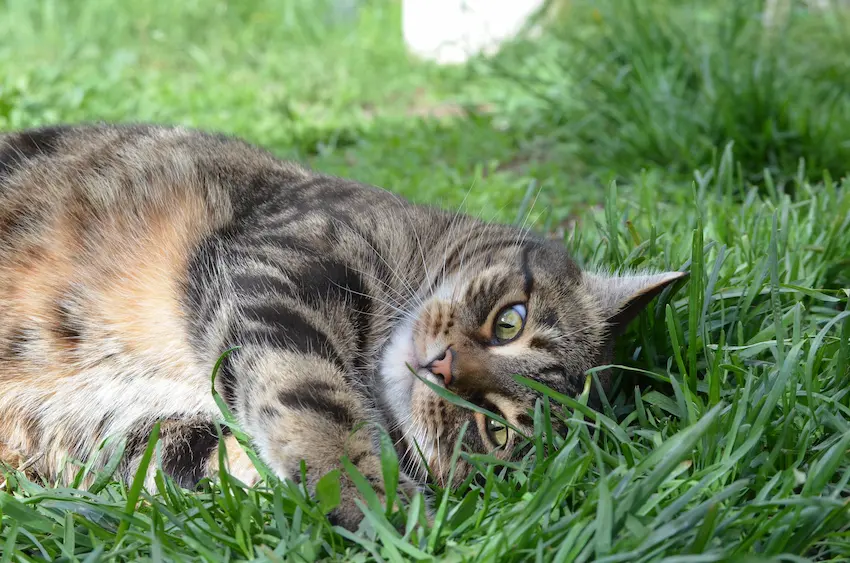
If you’ve ever caught your cat chewing on a blade of grass, then bringing it back up minutes later, you’re not alone, and you’re not doing anything wrong. Grass-eating is one of the most common (and most misunderstood) feline behaviours, and it’s completely normal for cats of every age and lifestyle.
Cats eat grass out of instinct, not illness. The most likely explanations are that it helps move indigestible material like fur through their digestive system, that it tops up nutrients such as folic acid, and that it satisfies a natural urge to forage and chew. Occasional vomiting afterwards is common and rarely a cause for concern on its own.
Why do cats eat grass?
It may aid digestion. In the wild, cats eat most of their prey, including fur, feathers and small bones. These materials aren’t easily digested, and grass may help move indigestible matter through the gut or bring it back up. Interestingly, one study found no real difference in grass-eating habits between long-haired cats (who are more prone to hairballs) and short-haired cats, suggesting hairball control isn’t the whole story.
It could be a source of nutrients. Grass contains folic acid, a nutrient that helps carry oxygen around the body. Kittens usually get their folic acid from their mother’s milk, and adult cats may seek out grass to top up their own levels.
It may be an evolutionary habit. In several wild species, eating grass and plant fibre is thought to help reduce intestinal parasites, with worms sometimes found wrapped in plant material in the stool of wild canids. There’s no direct evidence that domestic cats eat grass for this reason today, but it may be a leftover instinct passed down from their wild ancestors.
It might simply feel and taste good. Cats explore the world with their mouths, and some genuinely seem to enjoy the taste and texture of grass. Nibbling on it can also be a form of enrichment, particularly for cats with limited access to the outdoors.
It can be linked to boredom or stress. Cats that are under-stimulated or anxious sometimes chew on grass or other plants as a form of self-soothing, in the same way they might over-groom or vocalise more than usual. If grass eating appears alongside other changes in behaviour, it’s worth thinking about your cat’s wider environment and enrichment.
One myth worth clearing up straight away: cats don’t only eat grass when they’re feeling unwell. Plenty of healthy, well-fed cats graze on grass regularly, purely because it’s a natural, enjoyable behaviour, not a symptom of anything being wrong.
Is cat grass safe? What if my cat is sick after eating it?
Short answer: yes, cat grass is safe, and being sick afterwards is usually nothing to worry about. But it’s worth understanding why, so you know what’s normal and what isn’t.
Grass itself isn’t the concern, contamination is. Dedicated cat grass, grown indoors from a proper kit, is non-toxic and safe for cats to nibble in moderation. The real risk comes from grass that hasn’t been grown under controlled conditions, particularly garden or lawn grass, which can carry pesticide, herbicide or fertiliser residue. That’s the main reason vets recommend a dedicated cat grass source over letting a cat graze freely outdoors.
Vomiting after eating grass is common and usually harmless. Because cats can’t fully digest plant fibre, bringing grass back up shortly after eating it is a normal, expected part of the process, not a sign that something’s wrong. Most cats will do this occasionally and be perfectly fine straight after.
When it’s worth speaking to your vet. You should get in touch with your vet if you notice:
- Frequent or persistent vomiting, not just the odd episode
- Blood in the vomit
- Vomiting alongside other symptoms, such as lethargy, loss of appetite or diarrhoea
These signs point to something separate from normal grass-eating, and are worth ruling out rather than assuming grass is the cause.
Moderation still matters. Even safe cat grass shouldn’t be eaten in large quantities. Overdoing it, or swallowing very long blades, can occasionally contribute to digestive upset. Most cats self-regulate well and only nibble small amounts at a time, but it’s worth keeping an eye on especially enthusiastic grazers.
Known toxic plants are a separate issue entirely. Cat grass is not the same as houseplants like lilies, which are genuinely toxic to cats and should be kept out of reach altogether. Serious plant poisoning cases are relatively rare in practice, since most cats are cautious grazers who stick to what’s familiar, but that’s not a reason to keep risky plants around. Giving your cat their own grass to chew is one of the simplest ways to redirect that instinct somewhere safe.
How to Grow Cat Grass at Home
Growing your own cat grass is one of the simplest ways to let your cat enjoy this natural behaviour safely, without the risk of pesticides, herbicides or toxic plants. It’s inexpensive, low-maintenance and usually ready within a week.
What you’ll need:
- Cat grass seeds (wheatgrass or oat grass are the most popular choices; oat grass tends to be gentler on sensitive stomachs)
- A shallow, sturdy pot or tray that’s difficult to knock over
- Peat-free potting soil or a seed-starting mix
- A spray bottle for watering
Step-by-step:
- Fill your container with soil, leaving about 2cm from the top, and scatter the seeds evenly over the surface.
- Cover lightly with a thin layer of soil, just enough to make contact without burying the seeds too deep.
- Water gently using a spray bottle rather than pouring, to avoid disturbing the seeds. Keep the soil moist but never waterlogged, as overwatering is one of the most common reasons cat grass fails to grow.
- Place somewhere bright but out of direct, harsh sunlight. A windowsill works well for most homes.
- Wait for germination, which usually takes three to seven days depending on the seed type and conditions.
- Let it establish to around 7–10cm tall before giving your cat access. This gives the roots time to strengthen so the grass isn’t pulled out at the base the moment your cat gets excited about it.
Keeping it going: Cat grass is a short-lived crop, usually lasting a few weeks before it starts to fade. Rather than letting your cat finish one pot and then going without, it’s worth keeping two or three pots on rotation, one ready to eat, one growing and one freshly planted, so there’s always a fresh supply. Skip fertiliser altogether, since your cat will be eating the grass directly.
If growing your own isn’t practical, a ready-made option like Webbox Cat Grass offers the same benefits without the wait, pre-grown and ready for your cat to enjoy safely straight away.
Best Ways to Offer Cat Grass Safely
Once your grass is ready, a little thought about how you offer it can make the experience safer and more enjoyable for your cat.
Keep it separate from other houseplants. Placing cat grass in its own dedicated pot, away from ornamental plants, helps your cat associate that specific spot with safe grazing. It also makes it easier to spot if they’re showing interest in something they shouldn’t be.
Introduce it gradually. If your cat hasn’t had access to grass before, let them explore it in small amounts to start with. This gives you a chance to see how they respond, and avoids them gorging on a large, unfamiliar patch all at once.
Supervise the first few sessions. Most cats self-regulate well, nibbling small amounts here and there rather than eating in excess, but it’s worth keeping an eye on things the first few times, especially with enthusiastic grazers.
Position it thoughtfully. A stable, low tray in a spot your cat already likes to settle in, such as near a window, tends to get used more naturally than grass tucked away somewhere out of sight.
Refresh it regularly. Once a pot starts to look tired or the blades turn brown, it’s time to swap it out. Older, wilting grass is less appealing and less nutritious, so keeping a fresh rotation going (as covered above) helps maintain your cat’s interest.
Used this way, cat grass becomes more than just something to chew. It’s a simple form of enrichment that taps into your cat’s natural instincts to forage, sniff and explore.
Conclusion
Grass eating is one of the most normal, natural behaviours a cat can show, rooted in instinct rather than illness. Whether it’s helping move indigestible material through their system, topping up a nutrient, or simply satisfying the urge to forage and chew, there’s rarely anything to worry about.
The main thing to get right isn’t whether your cat eats grass, but what kind of grass they have access to. Keeping garden and lawn grass off the menu, and offering a dedicated, pesticide-free source instead, is the simplest way to let your cat enjoy this habit safely. Whether you grow your own from seed or keep a ready-made pot of Webbox Cat Grass on hand, giving your cat their own safe patch to nibble is a small addition that supports their natural instincts and gives you peace of mind.
If you do notice a change in how often your cat is grazing, or any symptoms alongside it, it’s always worth a chat with your vet. But for most cats, a little grass now and then is simply part of being a cat.
FAQs
Yes, light daily grazing is normal for many cats and isn’t usually a cause for concern. What matters more is the amount and whether it’s paired with any other symptoms. If your cat is eating large quantities every day or seems unsettled, it’s worth mentioning to your vet.
Cats can’t fully digest plant fibre, so it’s common for grass to come back up shortly after eating it. This is usually a normal part of the process rather than a sign of illness, especially if your cat is otherwise happy and eating well.
Yes, indoor cats can safely enjoy grass as long as it comes from a dedicated, pesticide-free source such as homegrown cat grass or a ready-made pot. This gives them a safe way to explore a natural instinct they’d otherwise have less opportunity to satisfy.
Kittens can show an interest in grass from a young age, often as part of general exploration and chewing. As with adult cats, it’s best offered from a safe, dedicated source rather than garden grass.
Cat grass is a chewable grass (typically wheatgrass or oat grass) that supports digestion and natural foraging behaviour. Catnip is a herb that triggers a temporary behavioural response in some cats, such as playfulness or relaxation, rather than being eaten as part of their regular grazing.
Most cats self-regulate well and only nibble small amounts at a time. There’s no strict daily limit, but if your cat is eating large quantities in one sitting, it’s worth monitoring, as very large amounts can occasionally contribute to digestive upset.

Recent News




Related Articles
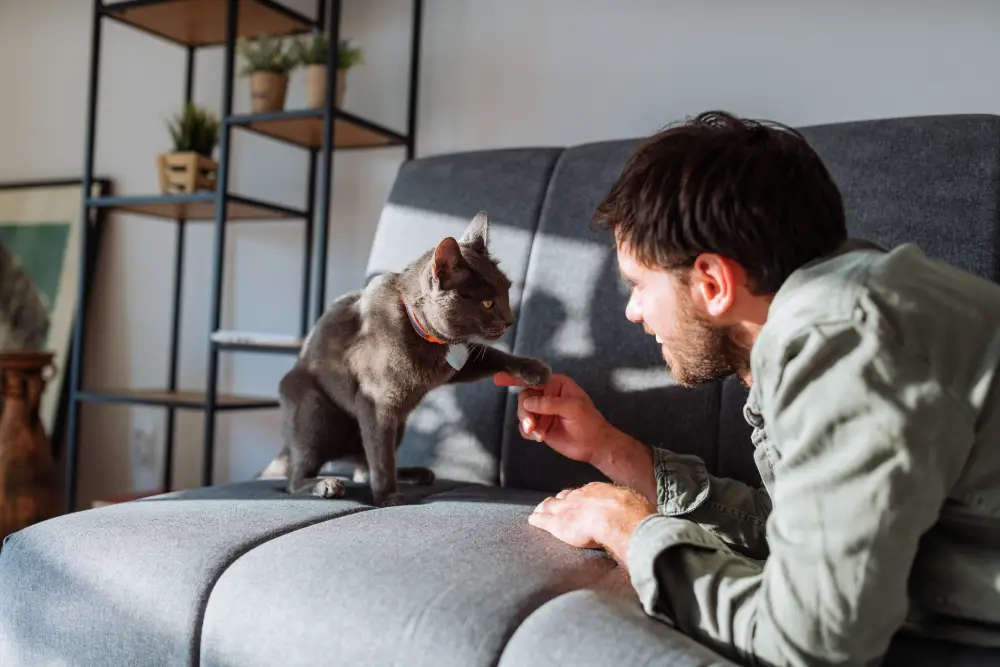
How to Give a Cat a Pill (Without Getting Scratched): A Step-by-Step Medication Guide
Key Takeaway: Traditional methods of giving a cat a pill, such as scruffing, prying open their jaw, and forcing it down, often fail. And they can also create lasting anxiety around handling and mealtimes. Masking the pill’s structure and strong medicinal scent inside a thick, aromatic puree is a far more effective approach. This method […]
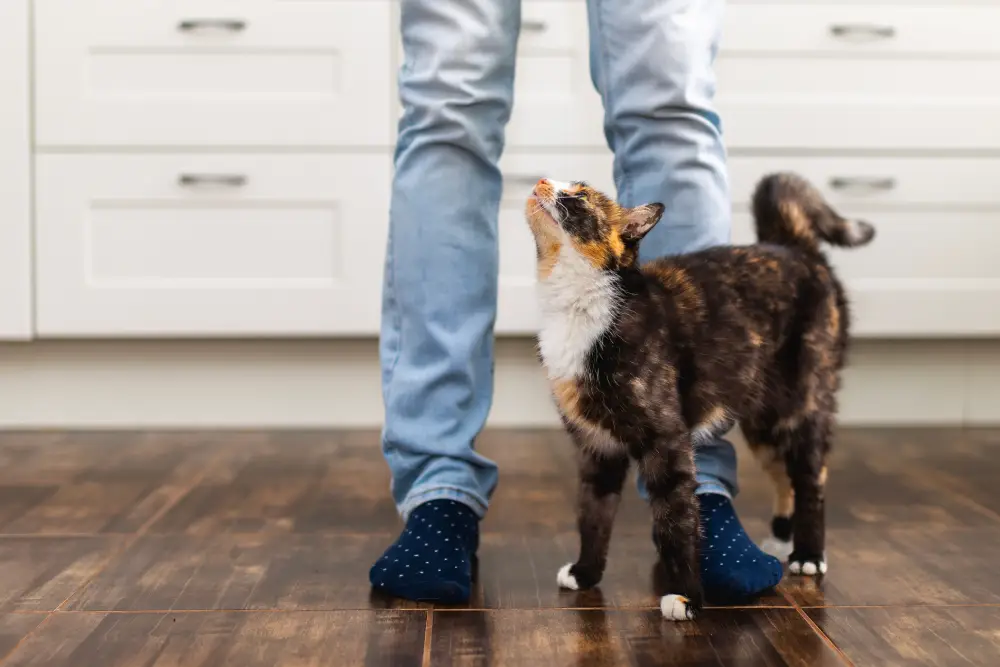
No Teeth, No Appetite? Best Food Toppers, Soft Treats, and Hydration Tricks for Cats
Key Takeaway: Sick, senior, or toothless cats often need a highly tailored approach to eating and drinking. Liquid purees and moisture-rich food toppers eliminate the oral pain and choking risk associated with hard foods. And their intense aromatic profile helps stimulate an appetite that illness or age may have diminished. These same foods also offer […]
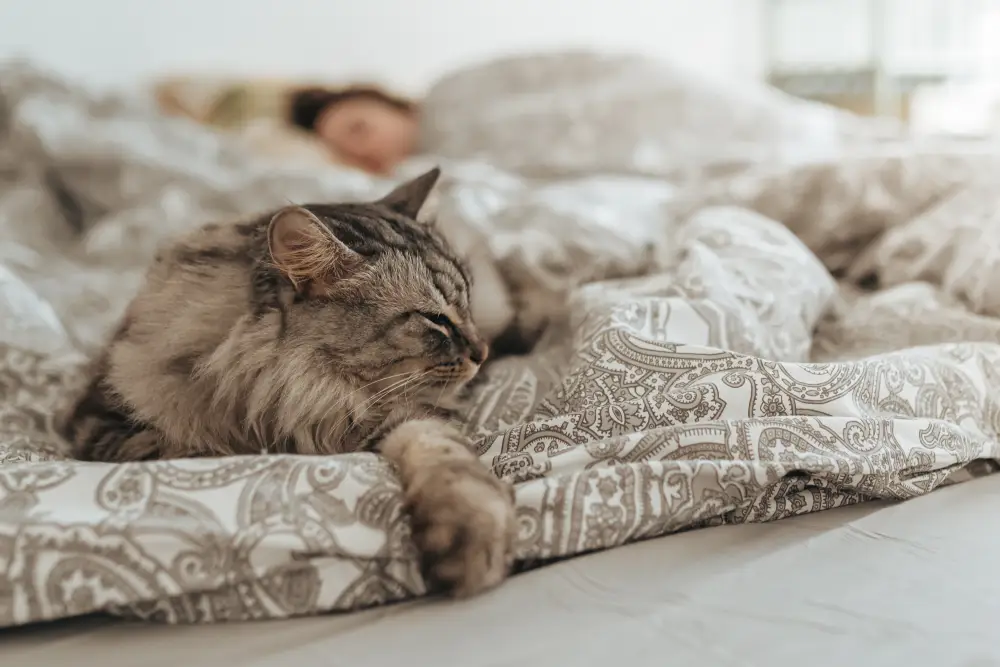
Crates, Cars, and Thunderstorms: A Complete Guide to Soothing an Anxious Cat
Key Takeaway: Easing acute anxiety in your cat comes down to two things working together: a secure, enclosed space to withdraw to, and positive behavioural conditioning that builds calmer associations over time. Cats are creatures of habit and control. Loud noises, unfamiliar movement, confinement, or travel can all disrupt that sense of predictability and trigger […]

Shop for Dogs

Personalise your search:

Shop for Cats

Personalise your search:
Our Most Popular

Price range: £3.75 through £28.00
View Product
Price range: £0.85 through £10.20
View Product
Price range: £7.55 through £37.75
View Product
Price range: £3.75 through £23.60
View Product

Price range: £2.15 through £15.99
View Product


Price range: £0.75 through £8.25
View Product











Price range: £1.60 through £27.20
View Product