FREE Delivery when you spend over £40
 Sign up to our newsletter for exclusive discounts & offers
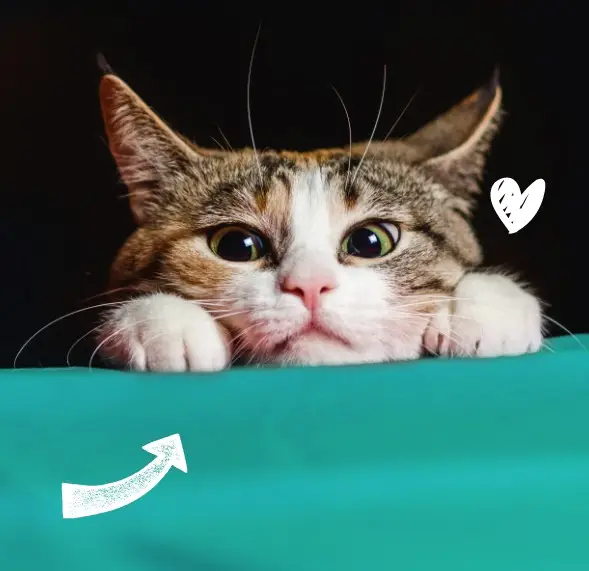
15 Things Cats Absolutely Hate
When it comes to things cats hate, the list is pretty long. There’s no doubt that cats are mysterious creatures, and we love this about them. Even though they’re adorable in their own way, they’re known to be temperamental, with a long list of things they aren’t keen on.
Here at Webbox, we’ve put together the top 15 things cats absolutely hate, the science behind why they hate them, and the tools you need to be the best pet parent for miles around!
Sensory Overload: Smells, Sounds, and Tastes
1) Cats hate certain smells
As a general rule, cats are sensitive when it comes to smells—in fact, a cat’s sense of smell is about 14 times stronger than a human’s. There are a few scents they hate that might just surprise you. They can’t stand citrus (like oranges and lemons, because of the natural compounds limonene and linalool, which are toxic to them). As much as you might love the smell of fresh herbs, cats hate rosemary and thyme. Banana and mustard are a big no-no too, as well as lavender and eucalyptus.
Many essential oils are toxic to cats, so it stands to reason that they instinctively want to run the other way when they get a whiff of your bath oils. They also aren’t a fan of strong menthol smells or dirty litter trays, which can cause them to go to the toilet outside of their box.
- The Fix: Keep heavily scented diffusers, candles, and cleaning products away from your cat’s main living and feeding areas.
2) Cats hate spoiled food
This one kind of goes without saying, but cats hate spoiled food. As mentioned above, cats are sensitive to smells, and if something seems a bit off, they won’t want anything to do with it. In the wild, a bad smell warns a cat that meat contains dangerous bacteria, and your domesticated kitty shares that exact same instinct.
Wet food goes off quicker than dry, so if your cat is a grazer, you might want to consider opting for dry food. Food spoils quicker when it’s warm, so it’s worth considering how long your cat’s wet food has been left out if they don’t seem keen during the warmer months.
- The Fix: Never leave wet food out for more than one to two hours. Serve smaller portions more frequently if your cat prefers to graze.
3) Cats hate loud noises
Does your cat give you a dirty look whenever you drop something? There’s a very good reason why they do this; cats hate sudden loud noises, and excessive noise can be very frightening for them. Because their ears are physically designed to funnel sound, everyday noises like vacuums, blenders, and thunder sound deafening to them.
As much as you might enjoy blasting your favorite Spotify playlist, it’s probably worth considering how this might be making your pet feel. If you find your cat hiding under the sofa, it’s probably best to keep the volume down.
- The Fix: Create a quiet, designated “safe room” where your cat can retreat when you are cleaning, hosting guests, or watching a loud movie.
Boundaries and Affection
4) Cats hate too much attention
There’s nothing cats hate more than an overbearing pet parent. If you’re a cat mum or dad, then you’ll know that cats are independent creatures. They can’t stand over-aggressive petting, especially on areas like their lower back or tail base, which can quickly cause sensory overstimulation (feline hyperesthesia).
Many of them just like doing their own thing. Respect your cat’s boundaries and don’t try to force them to spend time with you if they don’t want to—they will let you know when they need love and affection!
- The Fix: Let your cat initiate contact. Stick to safe petting zones like the cheeks, chin, and between the ears.
5) Cats hate not getting enough attention
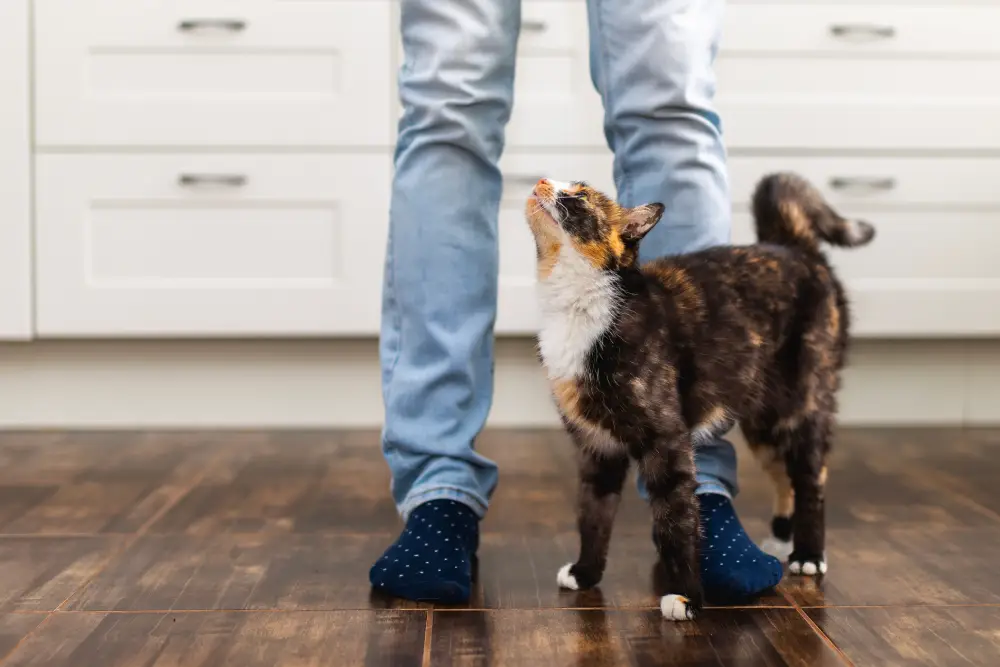
We know, we know—cats are confusing. One minute they seem to hate you and the next they want all your attention! While cats like to have their own space, they do enjoy affection from their owners—on their own terms. Your cat will brush up against your legs when he/she wants to be petted, so make sure you respond to their cues for affection.
Even though cats like to be independent, that doesn’t mean that they want to be alone all the time. If you have to go out for an extended period of time, make sure you have a friend or family member pop round in your absence so that your cat doesn’t start to feel lonely or develop separation anxiety.
- The Fix: Set aside 10 to 15 minutes every day for dedicated, interactive playtime using wand toys or laser pointers.
6) Cats hate tummy rubs
Unlike their canine companions, cats hate belly rubs. A cat’s stomach protects all of their most vital organs, making it their most vulnerable physical area. Evolutionarily speaking, exposing their belly is a sign of trust, not an invitation for a rub.
For this reason, an unprompted belly rub may result in them lashing out with their claws as a defensive reflex. Do yourself (and your cat) a favour and stick to the spots under their chin and behind their ears.
- The Fix: If your cat rolls over and shows you their belly, appreciate the compliment, but resist the urge to scratch it!
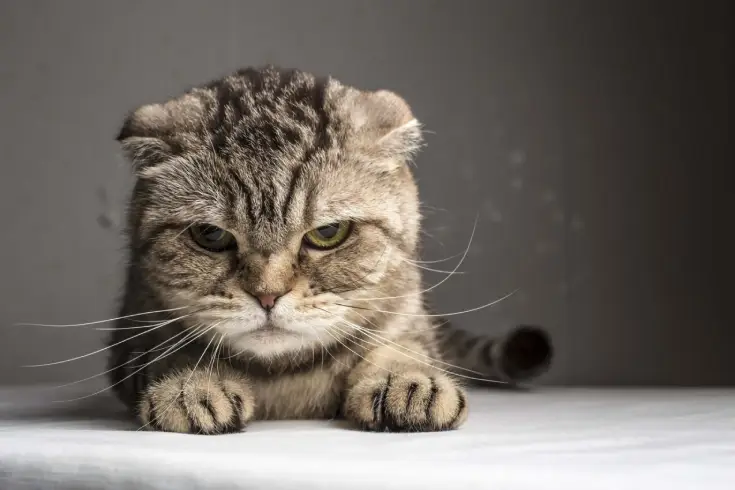
7) Cats hate being stared at
Ever tried a staring competition with your cat? If the answer is yes, we’re guessing it probably didn’t end well. In the animal kingdom, prolonged, unblinking eye contact is interpreted as a sign of dominance, confrontation, and aggression, which is highly intimidating for your fur baby.
- The Fix: Use the “slow blink” method. Look at your cat, blink very slowly, and look away. This is the feline equivalent of a warm smile and tells them they are safe.
8) Cats hate being cradled like a baby
We know that your kitty is your baby, but they really don’t like being cradled. Some cat owners hold their cats like they would their newborns, with their belly facing upwards. This can be quite stressful for them as it puts your cat in a position where they feel trapped and can’t get away or land on their feet if they need to jump. Always let your cat come to you for cuddles and make sure they have the option to leave if they want to.
- The Fix: Always hold your cat firmly against your chest with all four of their paws fully supported so they feel secure.
Handling and Grooming
9) Cats hate taking medicine
If you have a feline fur baby, you’ll know that cats HATE having to take medicine. Whether they have to take liquid medicine or medication in the form of a pill, giving your cat what they need to stay healthy is easier said than done. What it comes down to is that they don’t understand why, and being forced to take medication can seem very intimidating to your feline friend.
To make this a stress-free experience, avoid forcing their mouth shut violently, which can cause panic. Instead, use a veterinary-approved technique: wrap your kitty gently in a towel (like a burrito) to keep them calm, tilt their head back slightly to naturally open their jaw, place the pill at the very back of their tongue, and gently stroke their throat to stimulate their natural swallowing reflex.
- The Fix: Turn medicine time into a reward. Mix liquid medication or crush pills (if approved by your vet) directly into a highly palatable, irresistible liquid treat like Webbox Lick-e-Lix to disguise the bitter taste completely.
10) Cats hate baths
Ever tried to bathe your cat? You have our sympathies. There’s just no other way of putting it—cats hate baths, and most will fight you every step of the way. Water weighs down their fur coat, making them feel heavy, clumsy, and unable to escape danger quickly.
Cats self-groom and lick themselves clean, but every now and then, a bath may be necessary if they’ve rolled in something sticky or toxic they can’t get off.
- The Fix: Skip the running shower or deep bath entirely, as the sound of rushing water terrifies them. Instead, place a non-slip mat in the sink, use a damp washcloth with pet-safe shampoo to gently wipe them down, and reward them immediately afterward with a Webbox treat.
11) Cats hate being groomed
Just like kids, cats don’t really appreciate their fur being brushed. However, regular brushing prevents painful matting and reduces the amount of loose fur they swallow, keeping harmful hairballs at bay. Some longer-haired breeds need a helping hand from their owner to keep their coats in check, so if this is you, there are a few things you can do to make the experience less difficult.
Choose a time when your cat is calm and in the mood for a cuddle. Start by petting your cat, and when they’re fully relaxed, gently start to comb through their fur. Take a break if your cat starts to get agitated and then resume the process once they’re calm again.
- The Fix: Practice “counter-conditioning.” Let them sniff the brush first, brush them for just 30 seconds, and immediately feed them a sachet of Webbox Lick-e-Lix. They will quickly learn to associate the brush with their favorite treat!
Social and Environmental Conflicts
12) Cats hate competition
Cats are competitive and fiercely territorial by nature. Your cat is likely to not be very impressed if another feline shows up on the scene, and this can sometimes result in aggressive behaviour over resources like food, water, and territory.
If you already have a fur baby and you’re introducing another cat into the family, do your best to keep them in separate rooms at first until they get used to each other’s scents. If your cat has suddenly marked a neighbourhood feline as their sworn enemy, keep an eye out for aggressive behaviour on either part and try to break it up safely (like clapping your hands loudly) rather than getting between them.
- The Fix: Follow the “N+1” rule for multi-cat homes. Ensure you have one more litter box, food bowl, and water station than you have cats to eliminate resource competition.
13) Cats hate strangers (most of the time)
Cats are wary of strangers. If someone they don’t know suddenly walks into your house (which to your cat, is actually their house), they might feel frightened and confused by the new scents and loud voices.
Make sure your guest is aware of your fur baby’s feelings and try to stop them from running up to or petting your cat. Keeping a distance will help your cat suss out the situation and allow them to make the first move if they’re feeling friendly.
- The Fix: Provide high vertical spaces, like a cat tree, where your cat can safely observe new guests from a distance without feeling cornered.
14) Cats hate change
Cats are creatures of habit and they don’t really appreciate change. This change could be something small like a change in litter tray or food brand, or something big like moving home or bringing home a new baby. Either way, your cat probably won’t be a big fan.
If you have no choice but to make changes that will impact your cat, make sure you’re there to reassure them if they find the change stressful. Sometimes, all they need is a good cuddle with their owner to get back on track.
- The Fix: Introduce environmental changes slowly. If switching to a premium new food, mix it with their old food gradually over 7 to 10 days to protect their sensitive tummies.
15) Cats hate low temperatures
Cats like to be warm and cosy and aren’t a fan of the cold. In fact, a cat’s normal body temperature is higher than ours (around 38°C to 39°C), meaning they feel the cold much faster than we do. Even though they have lovely fur coats, these are more to protect their delicate skin than to keep them warm.
So crank up the heating in your house and make sure you maintain a comfortable temperature for your fluffy prince/princess.
- The Fix: Provide dedicated “warm spots” like igloo beds, blankets near radiators, or sunny window perches.
While the list of things cats hate can be pretty long, here at Webbox we know for certain one thing they absolutely love: Webbox Lick-e-Lix! These deliciously smooth, liquid treats are the ultimate hack for rewarding your kitty after grooming, hiding medication, or simply showing them some well-deserved affection. Shop online today or peruse our blog for other cat-related articles.
“Lick-e-Lix is the only way to get medicine in for my very fussy cat!” – Verified Feefo customer
FAQs
A cat’s nose is a sensory superpower, which means punchy aromas like citrus, lavender, eucalyptus, mint, coffee, and culinary herbs completely overload their system. Because a feline’s sense of smell is roughly 14 times sharper than our own, a scent we find pleasant can feel like a sensory assault to them. More importantly, nature programmed cats to detest these specific smells because plants like lavender and citrus contain oils that are toxic to their systems.
When a cat flaunts their fluffy tummy, they are showing you the ultimate sign of feline trust—not issuing an open invitation for a belly rub. In the wild, a cat’s underside is their most fiercely guarded zone because it houses all their vital organs. The moment your hand makes contact with that soft fur, their deep-seated evolutionary alarm system triggers a “trap” reflex, causing them to instinctively secure your hand with their claws or teeth.
Cats aren’t actually picking a fight with the vegetable itself; they are reacting to a sudden breach of their personal security perimeter. Those viral internet videos rely on a cheap trick: sneaking a snake-shaped object directly into a cat’s blind spot while they are eating. Because dining zones are supposed to be safe spaces, a cat’s brain instantly misidentifies the green object as a lethal predator, forcing a dramatic, stress-induced survival leap that is actually quite harmful to their mental well-being.
Tin foil acts as a masterclass in sensory discomfort for cats, combining an unnatural metallic texture under their paws with a bizarre, high-pitched crinkle. Felines are highly meticulous about the textures they step on, and the completely unpredictable shifting of crinkled aluminium foil sends mixed signals to their sensitive paw pads. Additionally, the microscopic sound frequencies the foil makes when compressed are incredibly harsh on their ultra-tuned hearing, making it a brilliant, completely harmless boundary setter for kitchen counters.
Cats are masters at hiding physical discomfort, but a stressed kitty will broadcast their anxiety through subtle, defensive changes in their body language. Keep a close eye out for a rapidly twitching tail tip, ears that rotate outward like airplane wings, or pupils dilated so wide their eyes look almost entirely black. If the stress is ongoing, they will ditch their usual social routines to camp out under the bed, neglect their daily grooming, or express their frustration right next to the litter box instead of inside it.

Recent News


Related Articles
How to Give a Cat a Pill (Without Getting Scratched): A Step-by-Step Medication Guide
Key Takeaway: Traditional methods of giving a cat a pill, such as scruffing, prying open their jaw, and forcing it down, often fail. And they can also create lasting anxiety around handling and mealtimes. Masking the pill’s structure and strong medicinal scent inside a thick, aromatic puree is a far more effective approach. This method […]
No Teeth, No Appetite? Best Food Toppers, Soft Treats, and Hydration Tricks for Cats
Key Takeaway: Sick, senior, or toothless cats often need a highly tailored approach to eating and drinking. Liquid purees and moisture-rich food toppers eliminate the oral pain and choking risk associated with hard foods. And their intense aromatic profile helps stimulate an appetite that illness or age may have diminished. These same foods also offer […]
Crates, Cars, and Thunderstorms: A Complete Guide to Soothing an Anxious Cat
Key Takeaway: Easing acute anxiety in your cat comes down to two things working together: a secure, enclosed space to withdraw to, and positive behavioural conditioning that builds calmer associations over time. Cats are creatures of habit and control. Loud noises, unfamiliar movement, confinement, or travel can all disrupt that sense of predictability and trigger […]

Shop for Dogs

Personalise your search:

Shop for Cats

Personalise your search:
Our Most Popular

Price range: £3.75 through £28.00
View Product
Price range: £0.85 through £10.20
View Product
Price range: £7.55 through £37.75
View Product
Price range: £3.75 through £23.60
View Product

Price range: £2.15 through £15.99
View Product


Price range: £0.75 through £8.25
View Product











Price range: £1.60 through £27.20
View Product